
Seattle’s hip-hop scene began gaining momentum in the late 1980s and 1990s, growing alongside the national rise of rap music. Early artists in the region built a foundation through local radio stations, community events, and small club performances. Over time, Seattle developed a distinct hip-hop voice that blended West Coast influences with its own introspective and experimental style.
One of the most influential figures in shaping the modern perception of Seattle hip-hop is Macklemore. His success brought global attention to the city’s rap scene, especially through large-scale concerts and tours that showcased Seattle as a viable hip-hop hub. While Macklemore represents the mainstream breakthrough, the city’s hip-hop identity is much broader and deeply rooted in underground and independent artistry.
Today, Seattle hip-hop concerts reflect a mix of commercial success and grassroots energy, with both major artists and emerging voices sharing the same stages.
Major Venues Hosting Hip-Hop Concerts
Seattle’s hip-hop concerts take place across a wide range of venues, each offering a different atmosphere and audience experience.
One of the most iconic venues is WaMu Theater. Located in the Lumen Field Event Center, this large indoor arena hosts major hip-hop tours and internationally recognized artists. The venue is known for high production value, large crowds, and immersive stage setups that include lighting effects, visual displays, and advanced sound systems. For many hip-hop fans, WaMu Theater represents the “big stage” experience where global artists perform at full scale.
For mid-sized performances, venues like Neumos in Capitol Hill play a crucial role. While Neumos is often associated with indie and alternative music, it also regularly hosts hip-hop concerts featuring touring rappers, regional artists, and genre-blending performers. The venue’s intimate layout allows for close interaction between artists and audiences, making it ideal for energetic hip-hop shows.
Seattle also has smaller clubs and lounges where hip-hop concerts thrive in a more personal setting. These spaces are essential for underground artists who rely on close audience engagement and raw performance energy.
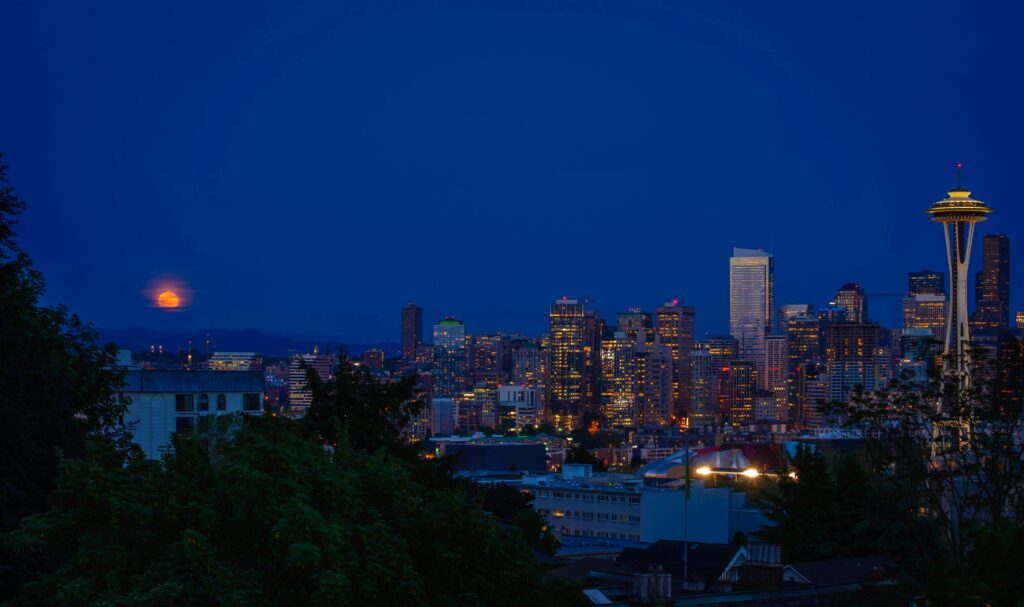
Capitol Hill: The Heart of Live Hip-Hop Energy
Capitol Hill is one of the most important neighborhoods for hip-hop concerts in Seattle. Known for its nightlife and creative culture, it provides a concentrated hub of venues, bars, and performance spaces that support live hip-hop nearly every night of the week.
In this neighborhood, hip-hop concerts often feel experimental and community-driven. DJs, MCs, and local performers regularly share stages, creating an environment where collaboration is more important than hierarchy. It is common for hip-hop shows in Capitol Hill to include freestyle segments, surprise guest appearances, and open-mic elements.
This area also supports hybrid events that mix hip-hop with electronic music, R&B, and spoken word performances. The result is a fluid and evolving concert experience that reflects Seattle’s diverse cultural influences.
Underground Hip-Hop Scene and DIY Concert Culture
One of the defining features of Seattle’s hip-hop concert ecosystem is its strong underground culture. Outside of mainstream venues, many hip-hop shows take place in DIY spaces, warehouses, art galleries, and pop-up locations.
These underground concerts are essential for emerging artists. They provide a platform for experimentation, allowing rappers to test new material and build loyal local followings. The atmosphere is often raw, with minimal staging and a strong focus on lyrical delivery and crowd interaction.
Seattle’s underground hip-hop scene is also closely connected to cypher culture, where freestyle rap sessions and beat battles are common. These events emphasize skill, improvisation, and community respect rather than commercial success.
Festivals and Large-Scale Hip-Hop Events
Seattle also hosts major hip-hop performances as part of larger music festivals and outdoor events. These concerts attract national and international audiences, transforming parks and public spaces into large performance arenas.
One of the most well-known multi-genre festivals is Bumbershoot Festival. While it includes rock, electronic, and pop performances, hip-hop has become an increasingly important part of its lineup. The festival provides a platform for both established and emerging hip-hop artists to perform in front of large, diverse crowds.
Outdoor hip-hop concerts in Seattle are especially popular during summer months. These events often feature extended DJ sets, collaborative performances, and high-energy crowd participation. The open-air environment adds a different dimension to hip-hop shows, making them feel more communal and celebratory.
Seattle Hip-Hop Artists and Touring Influence
Seattle’s hip-hop concert culture is shaped by both local talent and touring artists. Local performers often open for national acts, creating opportunities for exposure and collaboration.
Artists like Macklemore have played a major role in elevating the city’s profile in global hip-hop circuits. Their concerts often sell out large venues and bring significant media attention to Seattle’s music scene.
At the same time, smaller independent artists contribute to a constantly evolving concert landscape. These performers often incorporate elements of jazz, electronic production, and spoken word into their live shows, reflecting Seattle’s experimental cultural environment.
Audience Culture and Live Energy
Seattle hip-hop audiences are known for being highly engaged and responsive. Concertgoers often participate actively in performances through call-and-response moments, freestyle appreciation, and dancing.
Unlike some larger cities where hip-hop shows can feel purely entertainment-driven, Seattle concerts often emphasize connection between artist and audience. There is a strong appreciation for lyrical skill, storytelling, and authenticity.
This creates a supportive environment where both established and emerging artists can thrive. Fans often follow local performers across multiple venues, contributing to a tight-knit community around hip-hop music.
The Influence of Seattle’s Urban Environment
Seattle’s geography and weather also shape its hip-hop concert culture. The city’s rainy climate encourages indoor venues for much of the year, which leads to a strong culture of club-based performances and intimate shows.
However, during the summer months, outdoor hip-hop concerts become more frequent. Waterfront venues, parks, and festival grounds provide space for larger crowds and more dynamic staging. This seasonal shift adds variety to the concert experience, allowing hip-hop culture to adapt to different environments.
Seattle’s hip-hop concert scene is a reflection of its broader cultural evolution. From underground DIY shows to large-scale performances at venues like WaMu Theater, the city offers a wide range of live experiences that cater to different audiences and artistic styles.
Venues such as Neumos and festivals like Bumbershoot Festival continue to support the growth of hip-hop culture, while artists like Macklemore have helped bring global attention to the city’s talent.
Ultimately, Seattle’s hip-hop concerts are defined by diversity, community, and creative freedom. Whether in an underground club, a packed theater, or an open-air festival, hip-hop in Seattle continues to evolve while staying rooted in authenticity and expression.
Leave a Reply