
The growth of pop-up shops in Seattle is closely tied to the city’s entrepreneurial spirit and tech-driven economy. With high retail rents in many areas, small businesses often struggle to open permanent storefronts. Pop-up shops provide a flexible and affordable alternative.
Neighborhoods such as Capitol Hill Seattle, Fremont Seattle, and Ballard Seattle have become hotspots for pop-up retail activity. These areas are known for their walkability, artistic communities, and strong support for independent businesses.
Pop-ups in Seattle often appear during weekends, festivals, and seasonal events, creating a constantly changing retail environment. This sense of urgency and exclusivity is part of what makes them so popular among both locals and tourists.
Capitol Hill – Trendy and Experimental Pop-Up Hub
Capitol Hill is one of the most active areas for pop-up shops in Seattle. Capitol Hill Seattle is known for its creative energy, diverse community, and vibrant nightlife, making it an ideal location for experimental retail.
Pop-up shops in this neighborhood often focus on fashion, art, lifestyle products, and alternative design. Independent designers frequently use temporary storefronts to launch new clothing lines, jewelry collections, or home décor concepts.
Capitol Hill also hosts regular pop-up markets and street fairs, where multiple vendors come together in shared spaces. These events create a festival-like atmosphere where shoppers can explore new brands and interact directly with creators.
The neighborhood’s openness to innovation makes it a key driver of Seattle’s pop-up retail culture.
Fremont – Quirky and Artistic Pop-Up Experiences
Fremont is another major center for pop-up retail activity. Fremont Seattle is widely known for its eccentric personality, public art installations, and independent spirit.
Pop-up shops in Fremont often reflect this creative and unconventional identity. Visitors may find temporary stores selling handmade crafts, vintage items, experimental art pieces, and unique gift products.
One of the most popular events in the area is the Fremont Sunday Market, which regularly features rotating vendors and pop-up stalls. This open-air marketplace allows artisans and small businesses to test products in a real customer environment.
Fremont’s pop-up culture is ideal for shoppers who enjoy discovery, surprise, and artistic expression.
Ballard – Curated Pop-Up Markets and Seasonal Events
Ballard offers a more curated and design-focused pop-up experience. Ballard Seattle is known for its Scandinavian influence, waterfront charm, and strong local business community.
Pop-up shops in Ballard often focus on high-quality handmade goods, sustainable products, and artisan crafts. Seasonal pop-up markets are especially popular, featuring local makers, food vendors, and boutique designers.
These events often align with holidays, farmers markets, or community festivals, attracting both residents and visitors. The emphasis in Ballard is on quality, craftsmanship, and thoughtful design.
Pop-ups in this neighborhood tend to have a more refined and curated feel compared to other parts of the city.
Downtown Seattle – High-Traffic Pop-Up Retail Spaces
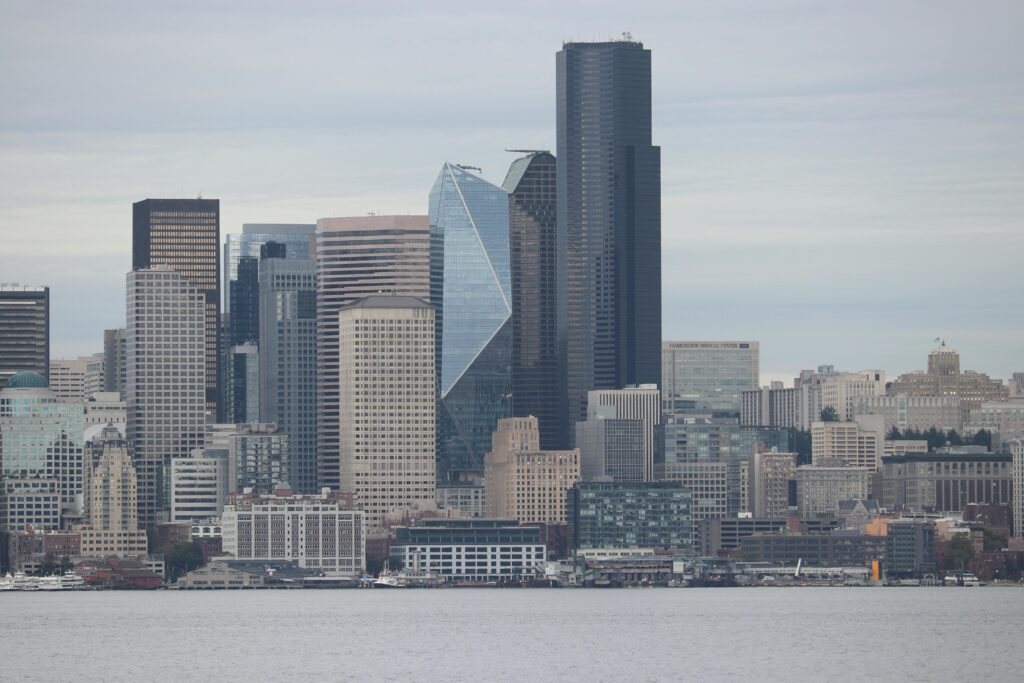
Downtown Seattle is one of the most important commercial zones for pop-up shops. Seattle’s central business district offers high foot traffic, making it ideal for brands looking to gain visibility quickly.
Pop-up stores in downtown locations often appear in vacant retail spaces, shopping centers, and event venues. These shops frequently feature fashion brands, tech products, beauty products, and promotional retail experiences.
Large companies sometimes use pop-ups in downtown Seattle to launch new products or test market reactions before committing to permanent stores. At the same time, small businesses use these spaces to reach office workers, tourists, and commuters.
The combination of visibility and flexibility makes downtown a strategic location for temporary retail.
Seasonal Pop-Ups and Holiday Markets
One of the most exciting aspects of Seattle’s pop-up culture is its seasonal retail events. During holidays such as winter festivals, summer fairs, and local celebrations, pop-up shops appear across the city in temporary markets.
These events often feature handmade gifts, artisanal foods, festive decorations, and limited-edition products. Shoppers enjoy the experience of discovering unique items that are only available for a short time.
Seasonal pop-ups also help small businesses generate significant revenue during peak shopping periods. They create a sense of urgency that encourages customers to explore and purchase quickly.
In Seattle, these seasonal markets are a key part of the city’s cultural and economic rhythm.
Fashion and Lifestyle Pop-Up Stores
Fashion is one of the most popular categories in Seattle’s pop-up retail scene. Independent designers and emerging brands frequently use temporary stores to showcase new collections.
Pop-up fashion shops often feature sustainable clothing, vintage-inspired designs, streetwear, and handmade accessories. Many of these brands focus on ethical production and small-batch manufacturing.
Lifestyle pop-ups also include home décor, wellness products, candles, skincare, and artisanal goods. These stores allow customers to experience products in person before they become widely available.
Pop-up fashion events in Capitol Hill and downtown Seattle are especially popular among younger consumers and trend-conscious shoppers.
Food and Beverage Pop-Up Concepts
Seattle’s pop-up culture is not limited to retail goods. Food and beverage pop-ups are also a major part of the scene. Temporary cafés, food trucks, and experimental dining concepts frequently appear across the city.
These pop-ups allow chefs and entrepreneurs to test new menus, explore fusion cuisine, and build customer feedback without the cost of opening a permanent restaurant.
Pop-up food events often take place in markets, parks, and community spaces, creating a social and interactive dining experience.
The city’s strong food culture makes these temporary culinary ventures highly successful and widely supported.
The Role of Technology in Pop-Up Growth
Technology has played a major role in the expansion of pop-up shops in Seattle. Social media platforms, online marketplaces, and event discovery apps help businesses promote their temporary stores and attract customers quickly.
Many pop-up shops rely on Instagram and digital marketing to announce locations, opening hours, and special events. This creates excitement and urgency among customers.
Some businesses also integrate online ordering with physical pop-up locations, allowing customers to continue shopping even after the event ends.
Seattle’s tech-driven environment supports this hybrid retail model, making pop-ups more scalable and accessible.
Challenges Faced by Pop-Up Businesses
While pop-up shops offer flexibility and opportunity, they also face challenges. Limited timeframes mean businesses must quickly attract attention and generate sales. High competition during popular events can also make visibility difficult.
Logistical issues such as permits, space availability, and setup costs can add complexity. However, the benefits often outweigh these challenges, especially for small businesses and startups.
In Seattle, strong community support helps many pop-ups succeed despite these limitations.
Seattle’s pop-up shop culture reflects the city’s creativity, adaptability, and entrepreneurial spirit. From the artistic streets of Capitol Hill Seattle and the quirky charm of Fremont Seattle to the curated markets of Ballard Seattle and the high-traffic opportunities in downtown Seattle, pop-up retail is deeply embedded in the city’s identity.
These temporary shops provide opportunities for innovation, community engagement, and sustainable business growth. They allow entrepreneurs to experiment, customers to discover new ideas, and neighborhoods to stay vibrant and dynamic.
As retail continues to evolve, Seattle’s pop-up scene will remain a powerful symbol of flexibility and creativity in modern commerce.
Leave a Reply