
Over the past decade, Seattle has seen a major rise in pop-up culture. What started as small weekend markets or seasonal vendor fairs has now expanded into large-scale curated events across neighborhoods like Capitol Hill, Pioneer Square, South Lake Union, and the Seattle Center area.
These events are often hosted in unconventional venues—historic buildings, parks, warehouses, and even art centers—giving visitors a fresh experience every time. For example, the revival of indoor vendor markets like the one at the historic Grand Central Arcade has helped reintroduce community shopping spaces in iconic Seattle architecture.
This flexibility is one of the biggest reasons pop-ups have become so popular. Instead of long-term leases and permanent storefronts, creators can test ideas, reach audiences directly, and build brand awareness quickly.
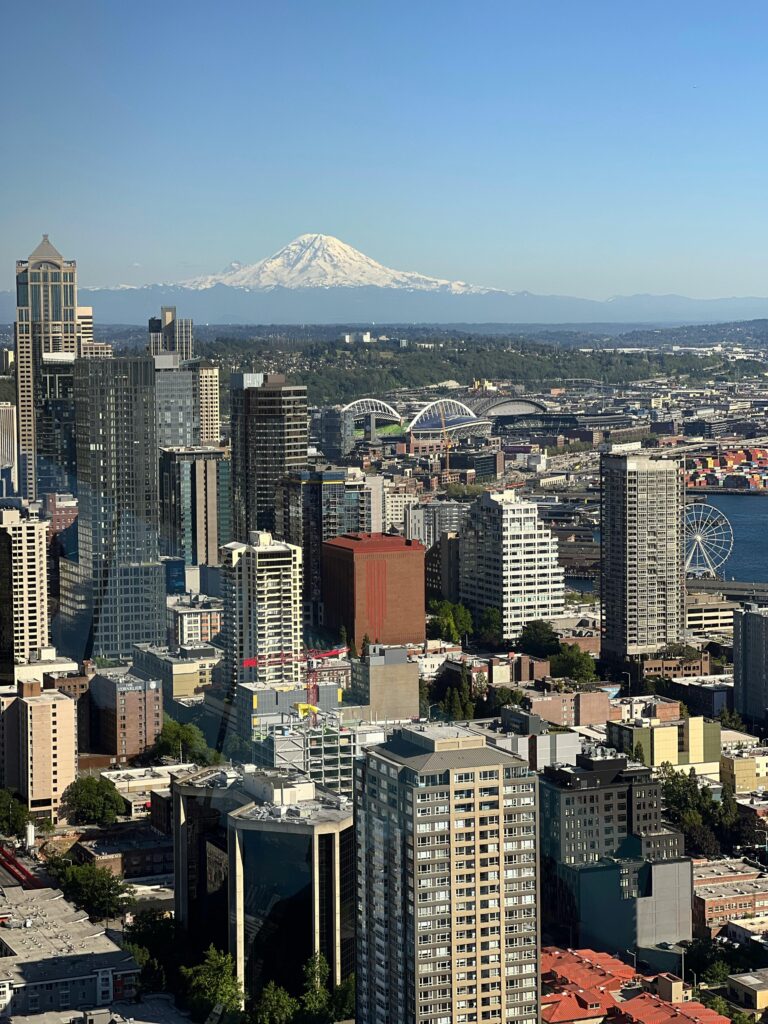
Types of Seattle Pop-Up Events
Seattle’s pop-up scene is incredibly diverse, reflecting the city’s creative and multicultural population. Some of the most common types include:
1. Artisan and Maker Markets
These are among the most common pop-up events in Seattle. They feature handmade goods such as ceramics, jewelry, candles, prints, clothing, and home décor. Events like the Creative Works WEST pop-up market bring together artists from Seattle and beyond, offering limited-edition products and one-of-a-kind designs.
These markets often feel like curated art exhibitions rather than traditional shopping spaces, emphasizing storytelling and craftsmanship.
2. Food and Beverage Pop-Ups
Seattle is also known for its vibrant food pop-up scene. From gourmet food trucks to experimental supper clubs, chefs use pop-ups to test new menus and culinary concepts.
One example of a major food-focused event is Gobble Up, a food pop-up festival featuring dozens of small-batch producers and food entrepreneurs. It brings together local chefs, bakers, and beverage makers in a festival-style environment where visitors can sample and shop.
These events are often seasonal and tied to local harvests or cultural celebrations.
3. Cultural and Community Pop-Ups
Seattle’s cultural diversity is strongly reflected in pop-up markets that celebrate global traditions. Events like SOUK Seattle create immersive cultural experiences featuring art, music, food, and crafts inspired by Arab heritage and community storytelling.
Similarly, Seattle Center’s Festál series hosts dozens of cultural festivals throughout the year, featuring rotating community-led pop-ups, performances, and food stalls.
These events help preserve cultural identity while building cross-cultural understanding in the city.
4. Fashion and Design Pop-Ups
Independent fashion designers often use pop-up events to showcase limited collections. These spaces allow designers to connect directly with customers, gather feedback, and build niche followings.
Pop-ups in this category often feel more like boutique exhibitions, with curated lighting, themed interiors, and immersive brand storytelling.
Why Seattle Is Perfect for Pop-Up Events
Several factors make Seattle an ideal city for pop-up culture:
Strong Creative Community
Seattle has a large community of artists, designers, chefs, and entrepreneurs. Many of them prefer flexible, low-risk ways to showcase their work, making pop-ups an attractive option.
High Foot Traffic Neighborhoods
Areas like Capitol Hill, Pike Place Market surroundings, South Lake Union, and Seattle Center attract both locals and tourists. These locations provide ideal visibility for temporary events.
Supportive Cultural Infrastructure
The city actively supports community markets and creative entrepreneurship through public spaces, festivals, and grants. Organizations and venues regularly collaborate with independent vendors to host rotating events.
Experimentation-Friendly Audience
Seattle audiences tend to be open to new ideas—whether it’s experimental food, niche fashion, or interactive art installations. This makes it easier for pop-up organizers to test innovative concepts.
The Experience of Attending a Seattle Pop-Up
What sets Seattle pop-up events apart is the experience itself. These events are not just about shopping or eating—they are designed to be immersive.
Visitors often find:
- Live music performances or DJs
- Interactive art installations
- Workshops and DIY stations
- Limited-edition product drops
- Seasonal food tastings
- Community storytelling spaces
Because pop-ups are temporary, there’s also a sense of urgency. People often attend knowing that what they experience may never happen in the same way again.
Economic and Social Impact
Pop-up events also play an important role in Seattle’s local economy. They provide small businesses with affordable entry points into retail without requiring long-term leases. This is especially important in a city where commercial rent can be expensive.
Socially, these events encourage community interaction. They bring together people from different neighborhoods and backgrounds, fostering shared experiences in informal and creative settings.
In many cases, pop-ups also support nonprofit causes, local artists, and sustainability initiatives by promoting handmade, local, or eco-friendly products.
Seasonal Trends in Seattle Pop-Ups
Seattle’s pop-up calendar tends to follow seasonal patterns:
- Spring: Flower markets, outdoor artisan fairs, cultural festivals
- Summer: Large outdoor food festivals, waterfront pop-ups, night markets
- Fall: Harvest-themed markets, craft fairs, fashion pop-ups
- Winter: Indoor holiday bazaars, cultural celebrations, gift markets
Indoor venues become especially important during the rainy season, which is why historic buildings and event centers are frequently used.
The Future of Pop-Up Events in Seattle
The future of Seattle pop-up events looks even more innovative. Trends suggest:
- More hybrid digital + physical pop-ups
- Increased focus on sustainability and zero-waste markets
- Growth of immersive art-based retail experiences
- Expansion into residential neighborhoods due to relaxed zoning rules
- More community-led and culturally specific events
There is also a growing movement toward “experience-first retail,” where the focus is less on selling products and more on creating memorable interactions.
Seattle pop-up events have become a defining feature of the city’s cultural and economic landscape. They bring together artists, entrepreneurs, chefs, and communities in flexible, creative environments that constantly evolve.
Whether it’s a food festival at Lake Union Park, an artisan market in Pioneer Square, or a cultural celebration at Seattle Center, these events capture the spirit of innovation and inclusivity that Seattle is known for.
As the city continues to grow, pop-ups will likely remain at the heart of its creative identity—temporary in nature, but lasting in impact.
Leave a Reply