
At the heart of the city’s club culture is Q Nightclub, one of Seattle’s most recognized destinations for electronic music and DJ-driven concerts. Located in Capitol Hill, the venue is known for its advanced sound system, immersive lighting design, and lineup of international and local DJs.
Q Nightclub is not just a dance space—it functions as a full sensory environment. Laser lighting, fog effects, and synchronized visuals transform every performance into a multi-layered experience. Weekend nights often feature house, techno, trance, and bass music, drawing both dedicated electronic music fans and casual clubgoers looking for a high-energy night out.
Indie Energy and Live Bands in Club Settings
Seattle’s nightclub concerts are not limited to electronic music. Many clubs double as live music venues, hosting indie rock, punk, hip-hop, and experimental bands.
One of the most iconic spaces in this category is The Crocodile, a legendary venue in Belltown that has played a major role in shaping Seattle’s alternative music identity. Originally associated with the grunge era, The Crocodile continues to host both emerging and established artists across genres.
Inside, the atmosphere is gritty yet welcoming. Concerts here feel close and personal, with audiences often standing just a few feet from the stage. This proximity creates a strong connection between performers and fans, making every show feel unique and immediate.
Capitol Hill: The Epicenter of Club Concerts
Capitol Hill is widely considered the center of Seattle’s nightlife and nightclub concert culture. The neighborhood is packed with venues, bars, and performance spaces that operate late into the night.
Another key venue is Neumos, a staple for indie rock, hip-hop, electronic acts, and touring bands. Neumos balances the energy of a nightclub with the structure of a live concert hall, offering strong acoustics, a spacious dance floor, and an upstairs balcony for viewing.
Shows at Neumos often feel like a hybrid between a concert and a club night. Bands perform while audiences dance, move, and interact freely, creating a dynamic environment where the boundary between performer and listener feels fluid.
DJ Culture and Electronic Music Nights
Seattle’s nightclub concerts are heavily influenced by electronic music culture. Many venues dedicate entire nights to DJ sets, where music is continuous rather than structured into traditional song-based performances.
At Q Nightclub, for example, DJs often perform extended sets that build gradually from deep house or minimal techno into high-energy peak-time tracks. The crowd responds not just to individual songs but to the progression of the entire night.
These events are designed to immerse attendees in rhythm and atmosphere. Lighting shifts with the tempo, bass vibrations move through the floor, and visuals respond in real time to sound.
Underground and Experimental Club Performances
Beyond mainstream nightclub concerts, Seattle also has a thriving underground scene. Smaller venues and pop-up clubs host experimental performances that blend electronic music, live instrumentation, and visual art.
These events often take place in converted warehouses, lofts, or intimate bar spaces. The focus is less on production scale and more on creative expression. Artists experiment with improvisation, looping, and genre fusion, creating performances that feel spontaneous and unpredictable.
Audiences at these shows tend to be highly engaged, often forming a community around shared interest in experimental sound and alternative club culture.
Live Hip-Hop and Urban Nightclub Shows
Hip-hop is another major component of Seattle’s nightclub concert landscape. Many clubs host touring rap artists, local MCs, and DJ-backed performances that blend live vocals with beat-driven sets.
These shows often feature high audience interaction, with call-and-response moments, freestyle sections, and guest appearances. The energy in the room is intense, with crowds reacting directly to lyrical delivery and stage presence.
Seattle’s hip-hop nightclub concerts reflect both national trends and local influences, giving space to emerging regional artists alongside established names.
Sound, Lighting, and Atmosphere
What distinguishes Seattle nightclub concerts from traditional live music venues is the emphasis on atmosphere. Sound systems are engineered for deep bass and clarity, allowing electronic beats and live instruments to fill the space without distortion.
Lighting plays an equally important role. Strobe effects, LED installations, and synchronized visuals turn concerts into immersive environments. Rather than simply watching a performance, audiences experience it as a full sensory event.
This combination of sound and light transforms nightclub concerts into something closer to performance art than standard live music.
Late-Night Culture and the Flow of the Evening
Seattle nightclub concerts typically begin later than traditional shows. Doors often open around 9 or 10 PM, with peak energy building after midnight. This timing creates a unique rhythm to the night.
Many attendees start with dinner in Capitol Hill or downtown before heading into clubs. As the night progresses, venues fill up, DJs or bands take the stage, and the energy steadily rises.
After the main performances, some venues continue with afterparties or extended DJ sets, allowing the experience to stretch into the early hours of the morning.
Diversity of Genres and Audiences
One of the strengths of Seattle’s nightclub concert scene is its diversity. On any given weekend, you might encounter:
- Electronic dance music at Q Nightclub
- Indie rock shows at Neumos or The Crocodile
- Hip-hop performances in mid-sized club venues
- Experimental electronic sets in underground spaces
- Latin, Afrobeat, or global fusion dance nights
This variety ensures that nightclub concerts in Seattle attract a wide audience, from dedicated music fans to casual nightlifers.
The Social Experience of Club Concerts
Seattle nightclub concerts are as much about social connection as they are about music. Friends gather on dance floors, strangers share moments of rhythm, and entire rooms move together in sync with sound.
Unlike seated concerts, nightclub shows encourage movement, interaction, and spontaneity. Conversations blend with music, and the environment shifts constantly as DJs or bands guide the energy of the room.
Why Seattle’s Nightclub Concerts Stand Out
Several elements make Seattle’s nightclub concert scene distinctive:
- Strong electronic music and DJ culture
- Historic indie and alternative live music venues
- Highly walkable nightlife districts like Capitol Hill
- Emphasis on immersive sound and lighting design
- A balance between underground creativity and mainstream touring acts
This combination creates a nightlife ecosystem where almost every musical preference can find a home.
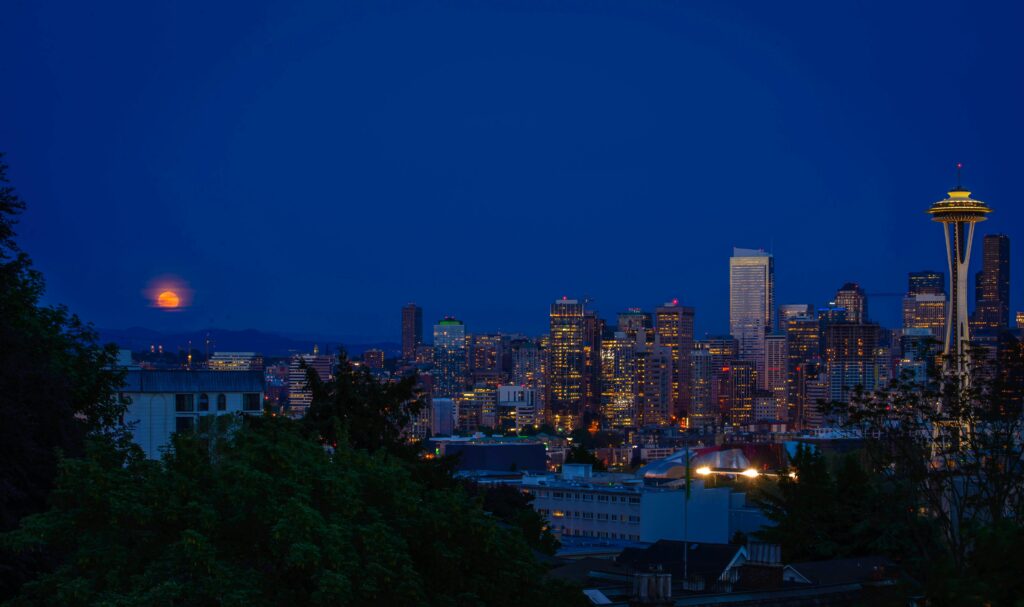
Seattle’s nightclub concerts reveal a different side of the city—one that thrives after sunset. While the daytime Seattle is known for coffee shops, tech innovation, and waterfront views, the nighttime version pulses with basslines, guitar riffs, and dance rhythms.
From intimate indie performances to large-scale DJ events, nightclub concerts offer a constantly shifting soundtrack to the city’s nightlife. Each venue contributes its own personality, and each night becomes a new version of Seattle’s musical identity.
As the early morning hours arrive and lights begin to dim, the music slowly fades—but the energy of the night lingers in the streets, hallways, and memories of those who were part of it.
Leave a Reply