
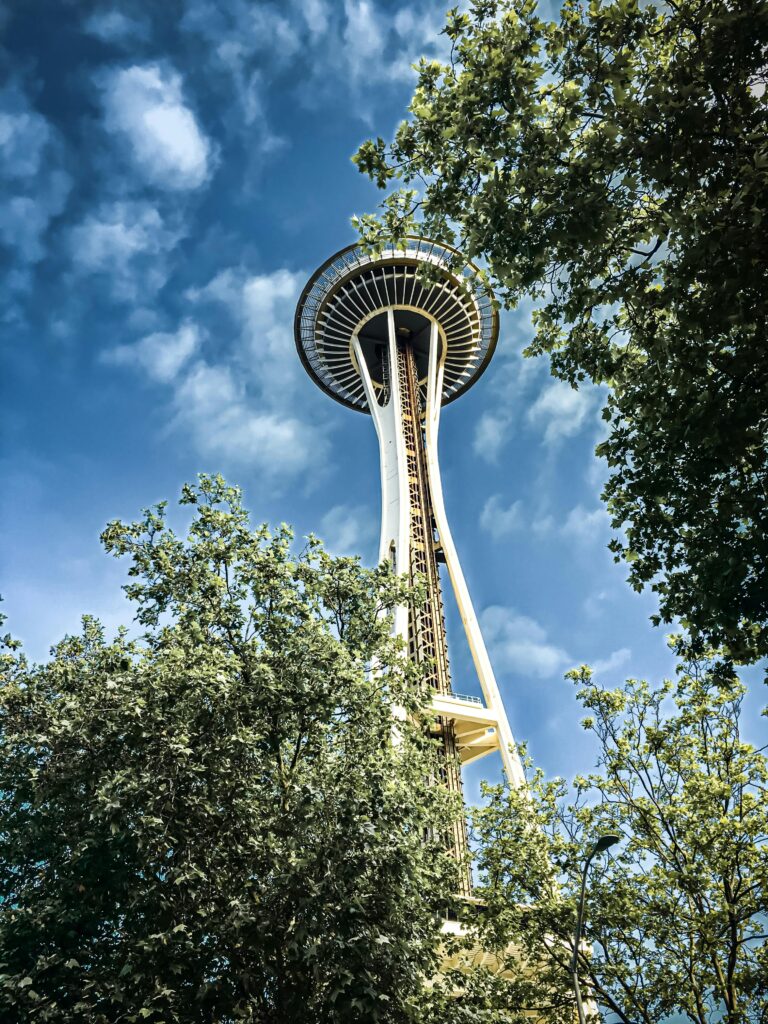
Many of Seattle’s key history museums are located within or near cultural districts that make exploration easy and immersive. One of the most important hubs for historical learning is Seattle Center, which connects visitors to several educational and cultural institutions. While known for festivals and events, Seattle Center also serves as a gateway to understanding the city’s broader historical and cultural evolution.
Museum of History & Industry (MOHAI)
One of the most significant institutions in the city is the Museum of History & Industry, commonly known as MOHAI. Located in the South Lake Union area, MOHAI is dedicated to preserving and interpreting Seattle’s industrial, cultural, and technological history.
The museum’s exhibits trace Seattle’s journey from its Indigenous roots through early European settlement, maritime trade expansion, the logging industry, and eventually its transformation into a global technology hub. One of MOHAI’s strengths is its ability to connect historical developments with modern-day Seattle life, showing how past decisions shaped the city’s current identity.
Interactive displays, archival photographs, and multimedia storytelling make the museum accessible to visitors of all ages. MOHAI also frequently hosts temporary exhibitions that focus on specific aspects of Seattle’s history, such as aviation, music culture, and civil rights movements.
Burke Museum of Natural History and Culture
Another essential institution is the Burke Museum of Natural History and Culture, located on the University of Washington campus. While it is known as a natural history museum, the Burke also plays a crucial role in preserving Indigenous history and cultural heritage.
The museum holds one of the largest collections of Native American artifacts in the region, many of which come from Indigenous communities of the Pacific Northwest. Importantly, the Burke Museum works closely with tribal nations to ensure culturally respectful representation and interpretation of artifacts.
Exhibits include archaeological findings, fossils, and cultural objects that tell the story of both human and natural history in the region. This dual focus makes the Burke Museum unique among Seattle’s history museums, as it connects environmental history with human development.
Wing Luke Museum of the Asian Pacific American Experience
Seattle’s multicultural history is deeply represented at the Wing Luke Museum, located in the Chinatown-International District. This museum is dedicated to Asian Pacific American history, immigration stories, and cultural contributions in the Pacific Northwest.
It is the only pan-Asian Pacific American community-based museum in the United States, making it nationally significant. The museum’s exhibits explore the experiences of Chinese, Japanese, Filipino, Vietnamese, Korean, and other communities who helped shape Seattle’s development.
One of its most powerful features is its use of real historic buildings and preserved community spaces, including former residences and businesses. This immersive approach allows visitors to step directly into historical environments and experience the past in a tangible way.
National Nordic Museum
Seattle’s strong Scandinavian heritage is preserved at the National Nordic Museum in the Ballard neighborhood. This institution explores the history of Nordic immigration to the United States and their cultural influence in the Pacific Northwest.
The museum tells stories of Norwegian, Swedish, Danish, Finnish, and Icelandic immigrants who settled in the region during the 19th and early 20th centuries. These communities played an important role in industries such as fishing, shipping, and logging.
Through artifacts, photographs, and storytelling exhibits, the museum highlights how Nordic traditions were preserved and adapted in a new environment. It also explores contemporary connections between Nordic countries and Seattle today.
Living History and Maritime Heritage
Seattle’s identity is closely tied to its waterfront and maritime industry. Several history museums and heritage centers explore this connection in depth.
The city’s maritime history is often represented through exhibits focusing on shipbuilding, fishing industries, and trade routes that connected Seattle to global markets. These stories highlight how the city’s location on Puget Sound shaped its economic and cultural development.
The Museum of History & Industry also features strong maritime exhibits, showcasing how waterways influenced commerce, transportation, and migration patterns.
Indigenous History and Cultural Preservation
Indigenous history is a foundational part of Seattle’s story, and museums across the city increasingly prioritize Indigenous voices and perspectives.
The Burke Museum of Natural History and Culture works directly with Native communities to ensure accurate representation of cultural artifacts and historical narratives. This collaborative approach is essential in correcting historical gaps and honoring the region’s original inhabitants.
Many exhibits focus on Coast Salish peoples, whose traditions, art, and knowledge systems remain deeply connected to the land and waters of the Pacific Northwest.
Industrial Growth and Modern Transformation
Seattle’s transformation into a modern city is another major theme explored in its history museums. Exhibits often trace the evolution of industries such as logging, shipping, aerospace, and technology.
At the Museum of History & Industry, visitors can explore how early industries laid the foundation for Seattle’s economic growth. The museum also highlights the rise of major companies and innovations that positioned Seattle as a global technology center.
This transition from a resource-based economy to a knowledge-based economy is one of the defining narratives of Seattle’s modern history.
Interactive and Educational Experiences
Seattle history museums are known for their interactive and educational approaches. Instead of relying solely on static displays, they often incorporate multimedia storytelling, hands-on exhibits, and immersive environments.
For example, visitors at the Wing Luke Museum can walk through preserved historical spaces, while those at the Burke Museum of Natural History and Culture can observe live research and conservation efforts.
These experiences make history more engaging and accessible, especially for younger audiences and families.
Seasonal and Visitor Experience
Seattle’s history museums are open year-round, making them ideal indoor attractions, especially during the city’s rainy seasons.
- Spring: New exhibitions and cultural programming begin
- Summer: Increased tourism brings more guided tours and educational events
- Fall: Academic collaborations and special exhibits are launched
- Winter: Museums become key cultural destinations during colder months
The consistent availability of indoor cultural spaces ensures that historical exploration is always accessible.
Why Seattle History Museums Matter
Seattle’s history museums are more than just repositories of artifacts. They serve as educational spaces, cultural bridges, and community storytelling platforms. They help residents and visitors understand how the city’s diverse populations, industries, and environments have shaped its identity.
Key strengths include:
- Strong focus on Indigenous and multicultural narratives
- Integration of science, industry, and cultural history
- Community-driven storytelling approaches
- Interactive and immersive exhibit design
- Connection between past and present urban development
A Seattle history museums guide reveals a city deeply connected to its past while continuously evolving. Institutions like the Museum of History & Industry, the Burke Museum of Natural History and Culture, and the Wing Luke Museum provide essential insights into the region’s cultural, industrial, and Indigenous heritage.
Together with broader cultural institutions near Seattle Center, these museums preserve the stories of migration, innovation, and community that define Seattle.
By exploring these spaces, visitors gain a deeper understanding of how Seattle became the city it is today—and how its history continues to shape its future.
Leave a Reply