
Each summer, Seattle Parks and Recreation coordinates free concerts across multiple neighborhood parks. From small pocket greens to expansive waterfront lawns, these shows bring music directly into residential areas. Families arrive with picnic blankets, kids play nearby, and neighbors greet one another as local musicians set up modest stages.
Genres vary by week—folk trios, reggae bands, jazz combos, indie rock groups, and cultural dance ensembles all take turns performing. Because the series rotates through many parks, it ensures that every neighborhood gets a chance to host live music.
Green Lake Park: Music by the Water
Green Lake Park is a favorite site for community concerts thanks to its open lawns and steady foot traffic from walkers and cyclists. Evening performances here feel relaxed and scenic. People pause mid-walk to listen, while others settle in for the full set as the sun lowers over the water.
Acoustic acts, jazz quartets, and mellow bands often perform here, complementing the tranquil surroundings.
Columbia City Neighborhood Street Concerts
Columbia City is known for its strong sense of community and cultural diversity, and that spirit shines during local street concerts. Small stages pop up along sidewalks during summer evenings and neighborhood festivals, featuring soul bands, funk groups, Latin music, and singer-songwriters.
Residents step out of homes and cafes to watch, turning ordinary streets into lively musical corridors filled with dancing and conversation.
Seattle Center: Community Stages for All Ages
Seattle Center frequently hosts free concerts tied to cultural festivals, heritage celebrations, and civic events. Outdoor stages welcome youth orchestras, community choirs, world music ensembles, and local bands throughout the year.
Because Seattle Center is a gathering place for tourists and locals alike, these concerts introduce diverse audiences to Seattle’s grassroots music talent.
Library and Community Center Performances
Branches of the Seattle Public Library and neighborhood community centers regularly host small indoor concerts. These events might feature a classical guitarist in a reading room, a jazz duo in a multipurpose hall, or a children’s music performer in a family space.
The settings are intimate and quiet, encouraging attentive listening. These concerts are especially popular with seniors, families, and residents looking for daytime cultural activities.
Church Halls and Choir Showcases
Seattle’s churches often open their doors for community concerts, regardless of religious affiliation. Choirs, gospel groups, chamber ensembles, and vocal quartets perform in sanctuaries with excellent natural acoustics. Audiences sit in pews or folding chairs, enjoying music in a reflective, welcoming atmosphere.
These events often double as fundraisers for local causes, blending music with community support.
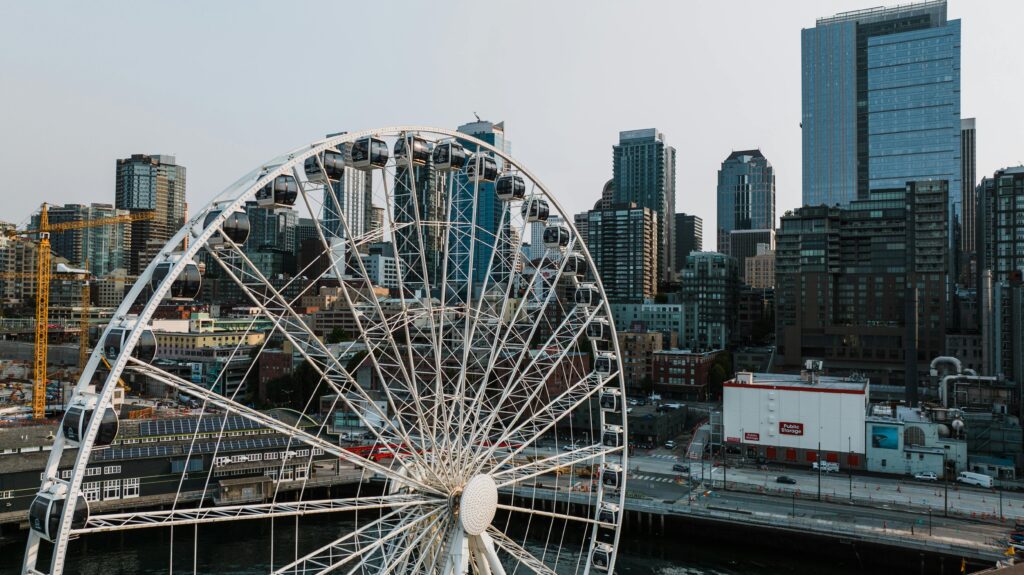
Gas Works Park: Picnics and Live Bands
Gas Works Park’s wide grassy fields and skyline views make it a natural site for informal community concerts. Local bands perform while groups of friends picnic, toss frisbees, and relax. The environment feels casual and joyful, with music drifting across the lawn rather than dominating the space.
Even those who didn’t plan to attend often find themselves lingering to listen.
Cultural Heritage Festivals with Live Music
Seattle’s diverse communities organize festivals celebrating cultural heritage, and live music is always central. Events highlighting Asian, African, Latin American, Indigenous, and European traditions include performances with traditional instruments, dance rhythms, and multilingual songs.
These concerts serve as educational experiences as well as entertainment, introducing audiences to global sounds in an accessible setting.
Youth Bands and Student Performers
Community concerts often feature school bands, youth orchestras, and student performers getting their first taste of live audiences. Parents, friends, and neighbors gather to cheer them on, creating supportive environments that encourage young musicians.
These performances are heartfelt and enthusiastic, reminding audiences that community music is as much about participation as polish.
Farmers Markets and Pop-Up Music
Seattle’s neighborhood farmers markets frequently include live music as part of the shopping experience. Solo guitarists, fiddle players, and small acoustic groups set up near produce stands, adding rhythm to weekend routines.
Shoppers pause between stalls to listen, turning errands into mini cultural outings.
The Atmosphere: Relaxed and Neighborly
Unlike ticketed venues, community concerts have no barriers. People come and go, children dance freely, and conversations happen without disrupting the experience. Applause feels warm and genuine. Musicians often chat with listeners after sets, strengthening local connections.
The lack of formality makes these concerts especially inviting for people who might feel intimidated by traditional performance spaces.
Seasonal Rhythm of Community Music
Spring and summer bring the most outdoor concerts, taking advantage of long daylight hours. Fall shifts events indoors to libraries and halls, while winter holidays feature choral performances and small ensemble concerts in cozy spaces.
This year-round rhythm ensures that community music remains a constant presence in Seattle life.
Supporting Local Talent
Community concerts provide essential platforms for local musicians who may not yet play large venues. These shows help artists build followings, test new material, and connect with listeners face-to-face. In turn, neighborhoods take pride in supporting their own creative talent.
Why Community Concerts Matter in Seattle
Seattle’s identity as a music city is not built only on famous venues or major festivals. It is sustained by these smaller, generous moments where music appears in everyday spaces and invites everyone to participate.
Community concerts strengthen neighborhood bonds, celebrate cultural diversity, and make live music accessible to all ages and incomes. They remind residents that great music doesn’t require a stage of lights and amplifiers—sometimes it only needs a patch of grass, a few chairs, and a group of people willing to listen together.
Leave a Reply