
Seattle is one of the most photogenic cities in the United States, and its museums add another layer of visual richness for photographers. From bold contemporary architecture and immersive art installations to natural light-filled galleries and waterfront views, Seattle’s museum spaces offer endless opportunities for striking photography. Whether you’re a professional photographer, a travel blogger, or someone capturing memories on a phone, the city’s museums provide a perfect mix of composition, color, and storytelling.
This guide explores the best Seattle museum photography spots and what makes each location visually unique.
Seattle Art Museum: Clean Lines and Global Art Backdrops
One of the most versatile photography locations is the Seattle Art Museum, located in the heart of downtown.
SAM’s exterior is a favorite for architectural photography. The building’s modern stone façade, geometric lines, and urban setting make it ideal for capturing contrast between art and city life. The famous “Hammering Man” sculpture outside the museum is one of Seattle’s most recognizable photo subjects and is often framed against the skyline or street traffic for dynamic compositions.
Inside, SAM offers calm, gallery-style photography opportunities (where permitted), with soft lighting and minimalistic exhibition layouts that highlight artwork beautifully. The museum’s African, Asian, and contemporary galleries provide visually rich textures, patterns, and colors that work well for detail shots.
The combination of architecture, sculpture, and curated interiors makes SAM a balanced photography destination for both wide-angle and close-up shots.
Museum of Pop Culture: Futuristic Angles and Bold Design
The Museum of Pop Culture (MoPOP) is one of the most visually dramatic photography spots in Seattle.
Designed by Frank Gehry, the building itself looks like a piece of abstract sculpture. Its metallic surfaces, curved panels, and vibrant colors change depending on light and weather conditions. Photographers often experiment with reflections, angles, and shadows to capture the building’s fluid design.
Inside, MoPOP continues to offer striking visuals. The colorful lighting installations, immersive exhibits, and themed rooms dedicated to music, film, and gaming create bold, high-contrast photography opportunities.
The Science Fiction and Fantasy Hall, in particular, is a favorite spot for creative photography, featuring immersive environments that look cinematic and surreal. Every corner of MoPOP feels designed for visual storytelling, making it one of Seattle’s top museum photography destinations.
Chihuly Garden and Glass: Color, Light, and Reflection
One of the most iconic photography locations in Seattle is the Chihuly Garden and Glass.
This museum is a paradise for photographers due to its vibrant glass sculptures and dramatic lighting. Inside the galleries, you’ll find massive installations in bold reds, blues, yellows, and greens that reflect light in unpredictable ways. The Glasshouse is especially stunning, featuring a suspended sculpture that appears to float above visitors, making for breathtaking wide-angle shots.
The outdoor garden area is equally photogenic. Glass sculptures are placed among plants, water features, and pathways, creating a fusion of natural and artistic beauty. Early morning and late afternoon light add a golden glow that enhances color saturation and reflections.
For photographers, Chihuly Garden and Glass is all about experimentation—macro shots of glass details, reflective compositions, and layered perspectives are all possible in one location.
Pacific Science Center: Geometry, Light, and Interactive Spaces
The Pacific Science Center offers a different kind of photography experience focused on structure, interaction, and movement.
The museum’s white archways and open courtyards provide strong architectural framing opportunities. These geometric shapes create symmetry and depth, especially when shot from low angles.
Inside, exhibits filled with glowing lights, mirrors, water features, and kinetic displays offer dynamic photography possibilities. The butterfly dome is one of the most popular spots, where soft natural light filters through while butterflies move freely, creating motion-filled compositions.
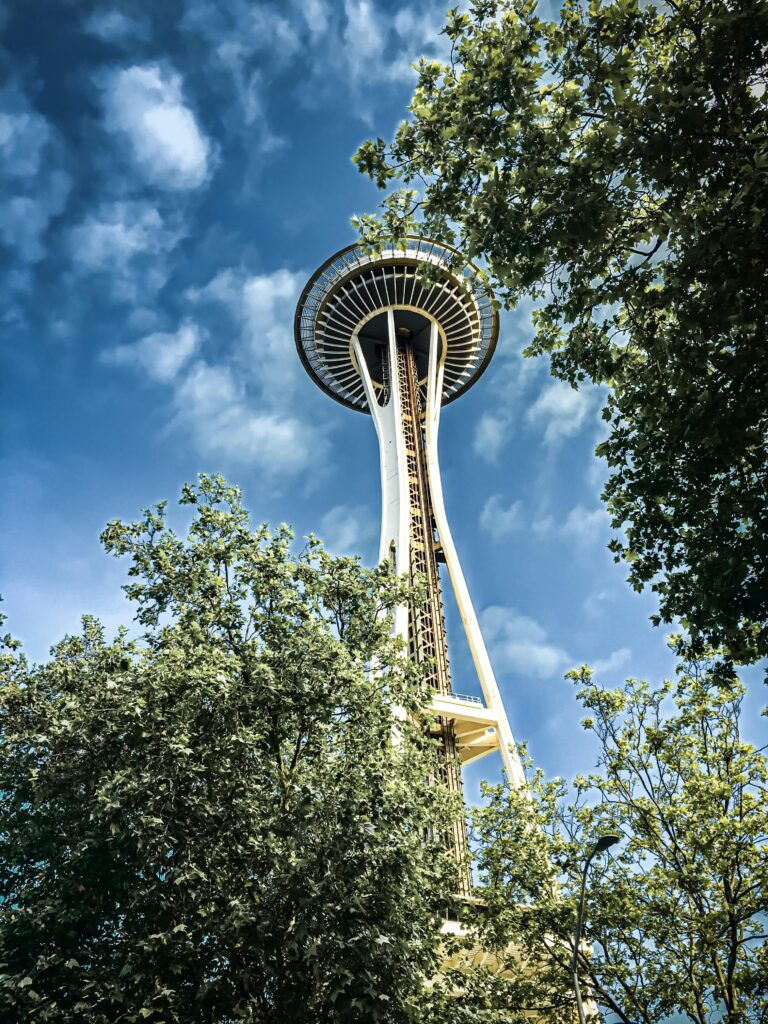
The IMAX dome exterior and surrounding structures also provide futuristic framing options, especially when captured against Seattle’s cloudy skies.
For photographers interested in science-themed visuals, this museum offers a blend of minimal architecture and colorful interactive environments.
Wing Luke Museum: Cultural Depth and Storytelling Photography
The Wing Luke Museum of the Asian Pacific American Experience provides one of the most meaningful photography experiences in Seattle.
Unlike many modern museums, Wing Luke focuses on immersive historical environments. Photographers can capture recreated interiors such as shops, homes, and community spaces that reflect Asian Pacific American history in Seattle.
These spaces are rich in detail—vintage furniture, handwritten signs, textiles, and archival objects all contribute to authentic storytelling imagery. The museum’s design encourages close-up photography that focuses on texture, emotion, and narrative.
Guided walking tours in the Chinatown-International District also offer street photography opportunities. Murals, heritage buildings, and cultural landmarks provide a vibrant urban backdrop that connects museum storytelling with real-world history.
Seattle Aquarium: Natural Light and Marine Life Photography
The Seattle Aquarium is a great location for nature and wildlife photography.
The underwater viewing domes are especially popular, offering 360-degree views of marine life swimming overhead. These curved glass environments create unique distortion effects that can be used creatively in photography.
Tide pool exhibits allow for close-up shots of starfish, anemones, and sea cucumbers under controlled lighting. The soft blue tones of the aquarium tanks create a calming and atmospheric visual style.
While photographing live animals can be challenging due to movement, patience and timing can result in stunning underwater-style images.
The aquarium’s waterfront location also offers exterior shots of Seattle’s harbor and skyline, especially during sunset.
Museum of History & Industry: Industrial Aesthetics and Urban Views
The Museum of History & Industry (MOHAI) is another excellent photography location, especially for those interested in historical and industrial visuals.
The museum’s interior features large exhibits, artifacts, and interactive displays that photograph well in ambient lighting. The aviation and industrial sections offer metallic textures, machinery, and archival visuals that create strong documentary-style images.
Outside, MOHAI’s location near Lake Union provides some of the best skyline photography in Seattle. The view includes floating houseboats, water reflections, and the city skyline, making it a favorite spot for sunset and twilight photography.
Frye Art Museum: Minimalist and Elegant Photography
The Frye Art Museum offers a quieter, more refined photography experience.
The museum’s interior is characterized by soft lighting, neutral tones, and spacious galleries. This makes it ideal for minimalist photography, where composition and negative space play a major role.
The historic realism paintings and carefully arranged exhibitions provide opportunities for detailed artistic shots. The calm atmosphere also allows photographers to focus on symmetry, framing, and subtle textures.
Unlike more dynamic museums, Frye encourages slow, thoughtful photography.
Best Photography Styles for Seattle Museums
Seattle museum photography can be approached in several styles depending on your interests:
1. Architectural Photography
Focus on buildings like MoPOP and SAM for bold shapes and structural design.
2. Fine Art Photography
Capture textures, colors, and compositions inside galleries like SAM and Frye.
3. Documentary Photography
Use museums like Wing Luke and MOHAI to tell cultural and historical stories.
4. Macro and Detail Photography
Chihuly Garden and Glass offers endless opportunities for close-up glass textures.
5. Nature and Wildlife Photography
The Seattle Aquarium and Pacific Science Center butterfly dome provide living subjects.
Photography Tips for Seattle Museums
- Use natural light whenever possible, especially in glass-heavy environments
- Experiment with reflections in glass, metal, and water surfaces
- Shoot from multiple angles—low, wide, and close-up
- Look for contrast between modern architecture and historical artifacts
- Respect museum photography rules and avoid flash where prohibited
Seattle’s museums are among the most visually inspiring locations in the Pacific Northwest, offering endless opportunities for creative photography. From the architectural brilliance of the Museum of Pop Culture to the vibrant glass installations at the Chihuly Garden and Glass, each museum provides a unique visual experience.
Other institutions such as the Seattle Art Museum, Pacific Science Center, Wing Luke Museum of the Asian Pacific American Experience, Seattle Aquarium, Museum of History & Industry, and Frye Art Museum complete the city’s rich photography landscape.
For photographers, Seattle museums are not just places to visit—they are living studios filled with light, color, structure, and story, waiting to be captured through the lens.
Leave a Reply