
Seattle is widely recognized as one of the most culturally rich cities in the United States, and its cultural festivals centered around music are a major expression of that identity. These festivals bring together global traditions, local creativity, and contemporary sounds into shared public spaces. In Seattle, cultural music festivals are more than entertainment—they are living celebrations of heritage, identity, and artistic exchange.
From waterfront performances to neighborhood street festivals, Seattle’s cultural music scene reflects the city’s diversity and openness to global influences. These events transform parks, plazas, and venues into vibrant spaces where music becomes a universal language.
The importance of cultural music festivals in Seattle
Cultural music festivals in Seattle play a vital role in strengthening community identity and promoting cross-cultural understanding. They provide a platform for different communities to share their traditions through music, dance, and performance.
In Seattle, these festivals reflect the city’s multicultural population, which includes influences from Asia, Africa, Latin America, Europe, and Indigenous communities. Each festival contributes to a broader narrative of inclusion and artistic collaboration.
Unlike commercial concerts, cultural festivals often emphasize participation, education, and shared experience. Audiences are encouraged not only to listen but also to engage with performances, learn about traditions, and interact with artists.
Major types of cultural music festivals in Seattle
Seattle hosts a wide variety of cultural music festivals throughout the year, each focusing on different traditions and artistic expressions.
1. World music festivals
World music festivals showcase global sounds from different regions, including African drumming, Latin rhythms, Middle Eastern melodies, Asian classical music, and European folk traditions.
These festivals highlight the richness of global musical heritage and often feature both traditional performances and modern fusion interpretations.
2. Indigenous and Native cultural festivals
Seattle is located on the traditional lands of Indigenous peoples, and cultural festivals often honor Native American music and storytelling traditions.
These events include drumming circles, flute performances, vocal chants, and ceremonial music, offering audiences a deeper understanding of Indigenous culture and history.
3. Asian cultural music festivals
Seattle has a strong Asian cultural presence, and festivals often showcase music from Chinese, Japanese, Korean, Filipino, Indian, and Southeast Asian traditions.
Performances may include classical instruments, folk songs, and contemporary fusion music that blends traditional and modern styles.
4. Latin and Caribbean music festivals
Latin and Caribbean cultural festivals bring energetic rhythms such as salsa, bachata, merengue, reggae, and samba to Seattle’s music scene.
These events are often highly interactive, encouraging dancing, audience participation, and celebration.
5. African cultural festivals
African music festivals in Seattle highlight traditional drumming, vocal harmonies, and modern Afrobeat influences. These events celebrate both historical roots and contemporary African music movements.
Iconic venues and festival spaces
Seattle’s cultural music festivals take place in a variety of indoor and outdoor venues that enhance the experience of live performance.
Seattle Center
One of the most important cultural hubs is the Seattle Center. It regularly hosts multicultural festivals that bring together performers from around the world.
Its open plazas and performance spaces allow large audiences to gather and experience music in a communal environment.
Waterfront parks and public spaces
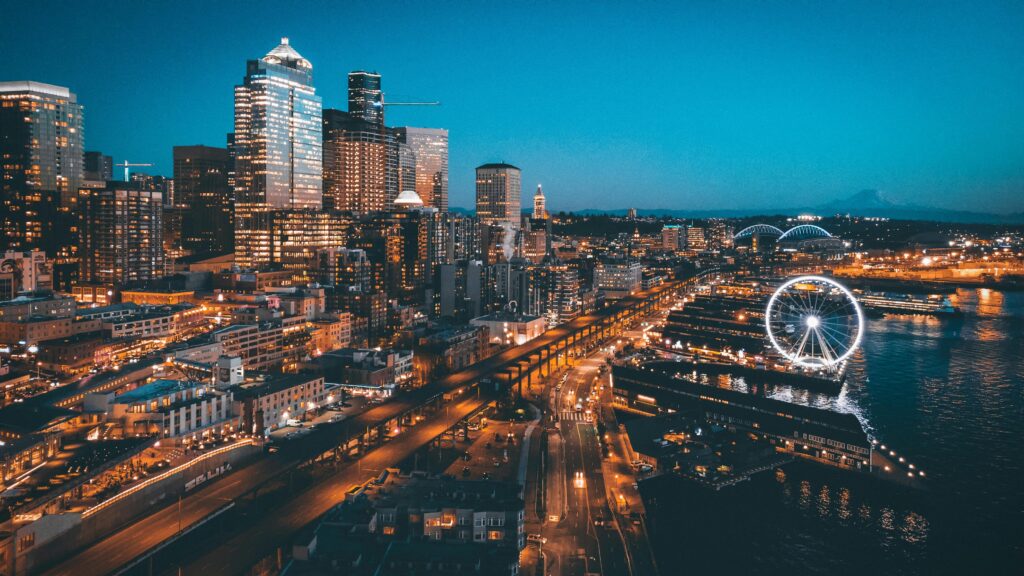
Seattle’s waterfront areas and parks are frequently used for cultural festivals. These scenic locations provide a natural backdrop for performances, combining music with views of water, skyline, and mountains.
Neighborhood cultural districts
Many cultural festivals are organized at the neighborhood level, reflecting local communities. These smaller events create intimate settings where audiences can connect directly with performers.
The diversity of musical expression
One of the defining features of Seattle cultural festivals is the incredible diversity of music styles represented.
Traditional folk music often shares the stage with modern fusion genres, creating unique collaborations between artists. Electronic music may blend with classical instruments, while hip-hop performances incorporate global rhythms.
This diversity reflects the inclusive nature of Seattle, where different cultures coexist and influence one another.
Many festivals also feature experimental performances that combine music with dance, theater, and visual arts, creating immersive cultural experiences.
Community engagement and participation
Cultural music festivals in Seattle are highly community-driven. They are designed to encourage participation rather than passive observation.
Workshops, interactive performances, and open dance sessions are common features. These activities allow audiences to learn new instruments, understand cultural traditions, and even perform alongside artists.
Community organizations play a key role in organizing these festivals, ensuring that they reflect authentic cultural representation and inclusivity.
The role of food, art, and storytelling
While music is the central focus, cultural festivals in Seattle often include other artistic and cultural elements.
Food stalls offering traditional cuisines from around the world are a major attraction. These culinary experiences complement the music and provide a deeper cultural immersion.
Art exhibitions, craft markets, and storytelling sessions are also common. Together, these elements create a holistic cultural environment where music is part of a broader celebration of identity.
Educational and cultural impact
Cultural music festivals serve an important educational purpose in Seattle. They help audiences learn about different traditions, histories, and artistic practices.
Schools and universities often participate by organizing student performances or educational outreach programs tied to festivals.
In Seattle, these festivals help preserve cultural heritage while also encouraging innovation and cross-cultural collaboration.
They also provide opportunities for younger generations to connect with their cultural roots through music and performance.
Economic and tourism benefits
Cultural festivals contribute significantly to Seattle’s economy. They attract tourists, support local businesses, and generate revenue for venues, vendors, and artists.
Visitors often plan trips around major cultural events, boosting hotel bookings, restaurant visits, and transportation services.
These festivals also create opportunities for local musicians and artisans to gain exposure and income.
Technology and modern festival experiences
Technology has enhanced how cultural music festivals are experienced in Seattle. Digital ticketing, mobile apps, and live streaming have made events more accessible to wider audiences.
Some festivals now offer virtual participation options, allowing global audiences to experience performances remotely.
Social media also plays a major role in promoting cultural festivals, helping communities share their stories and reach broader audiences.
Despite these innovations, the core focus remains on live, in-person cultural exchange.
Challenges in organizing cultural festivals
Organizing cultural music festivals in Seattle comes with challenges such as funding, venue availability, and ensuring authentic cultural representation.
Maintaining cultural accuracy while encouraging artistic innovation requires careful collaboration with community leaders and cultural experts.
Weather conditions can also impact outdoor festivals, requiring flexible planning and backup arrangements.
Despite these challenges, strong community support helps ensure the continued success of these events.
The future of Seattle cultural music festivals
The future of cultural festivals in Seattle is expected to become even more diverse and interactive. Increasing collaboration between global artists and local communities will likely lead to new hybrid musical forms.
Sustainability is also becoming a key focus, with festivals adopting eco-friendly practices such as waste reduction, renewable energy use, and digital ticketing.
Virtual and hybrid festivals will continue to expand access, allowing global audiences to participate in Seattle’s cultural celebrations.
Seattle cultural festivals music events represent the heart of the city’s diversity and creative spirit. They bring together communities, traditions, and artistic expressions in shared spaces where music becomes a universal language.
In Seattle, these festivals are more than performances—they are cultural bridges that connect people across backgrounds and generations. As the city continues to evolve, its cultural music festivals will remain a powerful symbol of unity, creativity, and global artistic exchange.
Leave a Reply