
Located in the Pacific Northwest, Seattle has long been shaped by its geographic position between mountains, ocean, and forest. This unique environment has influenced its cultural identity, encouraging creativity, environmental awareness, and strong ties to Indigenous traditions.
The city’s museums and cultural landmarks are not isolated attractions—they are interconnected spaces that reflect Seattle’s evolution from a maritime trading hub to a global center for technology, music, and the arts. Whether exploring contemporary installations or Indigenous artifacts, visitors gain insight into the diverse narratives that define the region.
Seattle Art Museum: A Global Collection in the Pacific Northwest
One of the most prominent cultural institutions is the Seattle Art Museum. Located downtown, it houses an extensive collection spanning African, Asian, European, and Native American art, as well as contemporary works.
The museum plays a critical role in connecting Seattle to global artistic movements while also emphasizing local and Indigenous perspectives. Its rotating exhibitions often feature internationally renowned artists, making it a key destination for both tourists and scholars.
SAM is not just a display space—it is an educational and cultural hub that hosts lectures, workshops, and community programs designed to make art accessible to all audiences.
Museum of Pop Culture: Celebrating Modern Creativity
Seattle is famously associated with music history, particularly grunge, as well as film, gaming, and science fiction culture. The Museum of Pop Culture captures this spirit through immersive exhibits dedicated to popular culture.
Designed by architect Frank Gehry, the building itself is a visual landmark with its fluid, metallic structure symbolizing creativity and movement. Inside, visitors can explore exhibits on iconic musicians, horror films, video games, and science fiction franchises.
MoPOP is particularly known for its strong focus on Seattle’s music legacy, including artists like Jimi Hendrix and Nirvana. It also regularly updates exhibits to reflect evolving trends in global pop culture, making it one of the most dynamic museums in the city.
Chihuly Garden and Glass: Art in Glass and Light
Adjacent to Seattle Center is the stunning Chihuly Garden and Glass, dedicated to the work of artist Dale Chihuly. This museum showcases large-scale glass sculptures that combine color, light, and organic form in breathtaking installations.
The Glasshouse, one of the museum’s central features, offers panoramic views of the Space Needle while surrounding visitors with a suspended glass sculpture that changes appearance with natural light. The outdoor garden blends glass artwork with natural plants, creating a dialogue between human creativity and nature.
This landmark is a powerful example of how Seattle integrates art with environment, reinforcing the city’s reputation for innovative artistic expression.
Wing Luke Museum: Asian Pacific American Heritage
The Wing Luke Museum is the only pan-Asian Pacific American museum in the United States. Located in Seattle’s Chinatown-International District, it highlights the stories, struggles, and contributions of Asian American communities in the Pacific Northwest.
The museum offers guided tours through historic buildings, interactive exhibits, and oral history projects that preserve personal narratives. It emphasizes community involvement, ensuring that exhibitions are shaped by the people whose histories are being represented.
This museum plays a crucial role in promoting cultural understanding and inclusivity, making it one of Seattle’s most socially significant cultural institutions.
Pacific Science Center: Education Through Exploration
Another important landmark is the Pacific Science Center, which focuses on science education through interactive exhibits. Originally built for the 1962 World’s Fair, it remains a major educational attraction.
The center features planetarium shows, butterfly houses, hands-on physics demonstrations, and rotating science exhibits. Its goal is to make science engaging and accessible to audiences of all ages, particularly children and students.
The Pacific Science Center also plays a role in promoting STEM education, partnering with schools and researchers to inspire future generations of scientists and engineers.
Burke Museum: Natural and Cultural History
The Burke Museum of Natural History and Culture, located at the University of Washington, is Washington State’s official natural history museum. It houses millions of artifacts, including fossils, minerals, Indigenous cultural objects, and biological specimens.
What makes the Burke Museum unique is its integration of natural history with cultural heritage. Exhibits are designed in collaboration with Indigenous communities, ensuring respectful and accurate representation of Native traditions and histories.
The museum also features visible research labs, allowing visitors to observe scientists actively working on preservation and study projects.
Frye Art Museum: Contemporary and Classic Dialogue
The Frye Art Museum is known for its focus on European painting and contemporary art exhibitions. Founded by Charles and Emma Frye, it began as a private collection and has grown into a public institution offering free admission.
Its exhibitions often explore themes such as identity, memory, and social change. The museum encourages dialogue between historical works and modern artistic interpretations, creating a reflective cultural experience.
The Frye also hosts performances, lectures, and film screenings, making it a multidisciplinary cultural venue.
Seattle’s Iconic Cultural Landmarks
Beyond museums, Seattle is home to several iconic cultural landmarks that shape its identity.
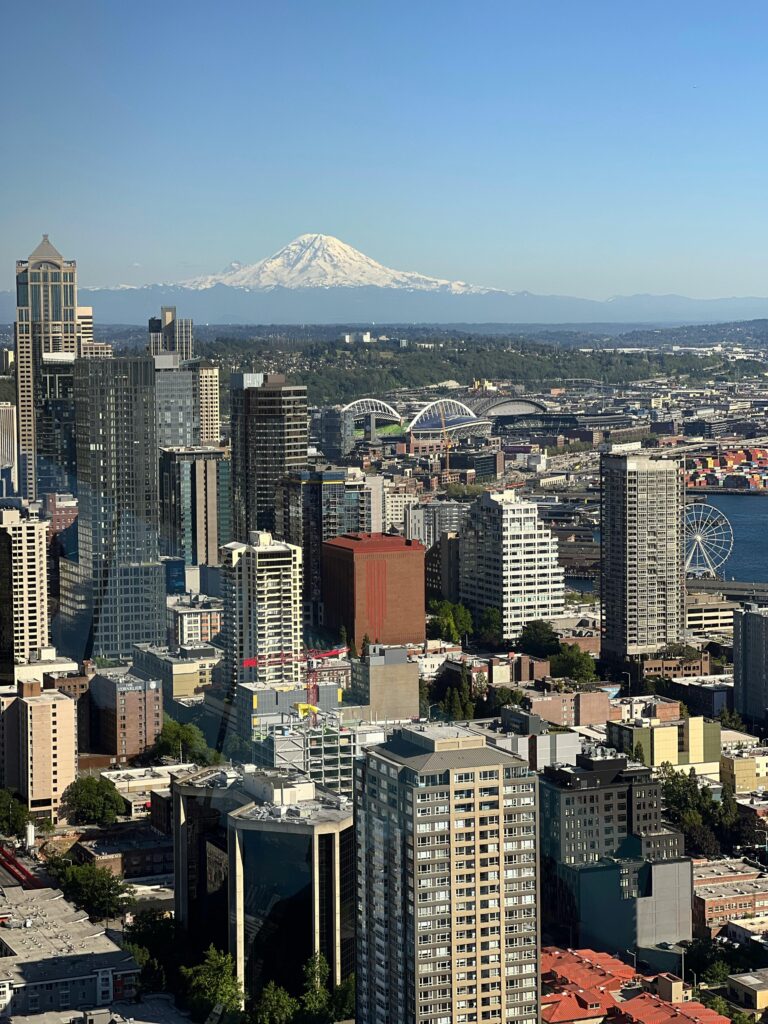
One of the most recognizable is the Space Needle, built for the 1962 World’s Fair. It remains a symbol of the city’s innovation and forward-thinking spirit. Its observation deck offers panoramic views of the skyline, Mount Rainier, and Puget Sound.
Another essential cultural destination is Pike Place Market, one of the oldest continuously operating public markets in the United States. It is famous for its fish-throwing vendors, local crafts, fresh produce, and vibrant atmosphere. Pike Place Market reflects Seattle’s community-driven economy and artistic street culture.
Together, these landmarks complement the city’s museums by providing living cultural experiences rooted in everyday life.
The Interconnected Cultural Identity of Seattle
What makes Seattle unique is not just the presence of individual museums and landmarks, but the way they interconnect to form a cohesive cultural identity. The city blends Indigenous heritage, immigrant histories, technological innovation, and artistic experimentation into a unified cultural landscape.
Museums like MoPOP and SAM explore global and contemporary creativity, while institutions like the Wing Luke Museum and Burke Museum preserve deeply rooted historical narratives. Landmarks such as the Space Needle and Pike Place Market provide public spaces where culture is actively lived rather than simply observed.
This combination ensures that Seattle’s cultural ecosystem is both educational and experiential.
Seattle stands as one of the most culturally rich cities in North America, with its museums and landmarks offering diverse perspectives on art, history, science, and community life. From the global collections of the Seattle Art Museum to the immersive creativity of the Museum of Pop Culture, each institution contributes to a broader understanding of human expression.
Whether exploring Indigenous heritage at the Burke Museum, experiencing glass artistry at Chihuly Garden and Glass, or walking through the historic corridors of Pike Place Market, visitors encounter a city deeply committed to preserving and celebrating culture.
Together, these institutions and landmarks make Seattle not just a destination, but a living cultural narrative shaped by creativity, diversity, and innovation.
Leave a Reply