Seattle, Washington, is a city that offers a unique blend of natural beauty, cultural experiences, and vibrant urban life. Nestled between the Puget Sound and the Cascade Mountains, the city is famous for its coffee culture, thriving tech scene, waterfront views, and lush greenery. With so much to see and do, planning the right time to visit Seattle can significantly enhance your experience. From exploring iconic landmarks to enjoying outdoor adventures, understanding the city’s seasonal variations, weather, and event calendar can help travelers make the most of their trip.
Seattle’s Climate Overview
Seattle has a temperate marine climate, characterized by mild, wet winters and dry, warm summers. Its location between the Puget Sound and nearby mountain ranges influences local weather patterns, creating microclimates throughout the region.
- Winter (December to February): Cool, wet, and often overcast, with temperatures ranging from 35°F to 50°F (2°C to 10°C). Snow is rare but possible, mainly in the city center, while nearby mountains may experience heavy snowfall.
- Spring (March to May): Increasingly sunny with mild temperatures (45°F–65°F / 7°C–18°C). Cherry blossoms, tulips, and lush greenery make this an attractive season for sightseeing.
- Summer (June to August): Warm, dry, and sunny, with average highs of 70°F–80°F (21°C–27°C). Summer offers the longest daylight hours, ideal for outdoor activities, festivals, and exploring the city’s waterfronts and parks.
- Fall (September to November): Cooler temperatures (50°F–65°F / 10°C–18°C) and crisp, colorful foliage. Rain increases in November, signaling the onset of the wet season.
The city’s unique climate affects what activities are possible and the overall visitor experience, making the timing of your trip crucial.
Best Time for Outdoor Activities
Seattle’s natural surroundings provide abundant outdoor recreation opportunities, from hiking and biking to kayaking and beach outings. The ideal time for outdoor activities depends on weather conditions and daylight hours.
Summer (June to August)
- Hiking and Biking: Trails in Discovery Park, Rattlesnake Ledge, and Mount Si are at their most accessible and scenic during summer. Dry trails and warmer temperatures make hiking safer and more enjoyable.
- Water Activities: Lakes, rivers, and Puget Sound are perfect for kayaking, paddleboarding, and boating during summer. The longer daylight hours allow for extended trips and sunset viewing.
- Festivals and Events: Many outdoor festivals, concerts, and farmers markets occur in the summer, creating a lively city atmosphere.
Late Spring (May) and Early Fall (September)
- These months offer milder weather, fewer tourists, and beautiful natural scenery. Spring features blooming flowers, while fall displays stunning foliage in city parks and surrounding forests.
- Cooler temperatures make cycling, running, and sightseeing more comfortable, and trails are less crowded compared to peak summer months.
Winter Considerations
- While winter may not be ideal for hiking or water sports, it is perfect for nearby skiing and snowboarding in the Cascade Mountains and Snoqualmie Pass. Winter visitors can also enjoy cozy indoor attractions, coffee shops, and museums while avoiding the summer tourist crowds.
Best Time for Sightseeing and Tourism
Seattle is packed with iconic landmarks and cultural experiences. Choosing the right time to visit ensures you can enjoy these attractions without extreme weather or overcrowding.
Pike Place Market
- Best Time to Visit: Spring to early fall
- Pike Place Market is bustling year-round, but warm, dry weather makes walking between stalls and waterfront areas more enjoyable. Visiting early in the morning helps avoid the heaviest crowds.
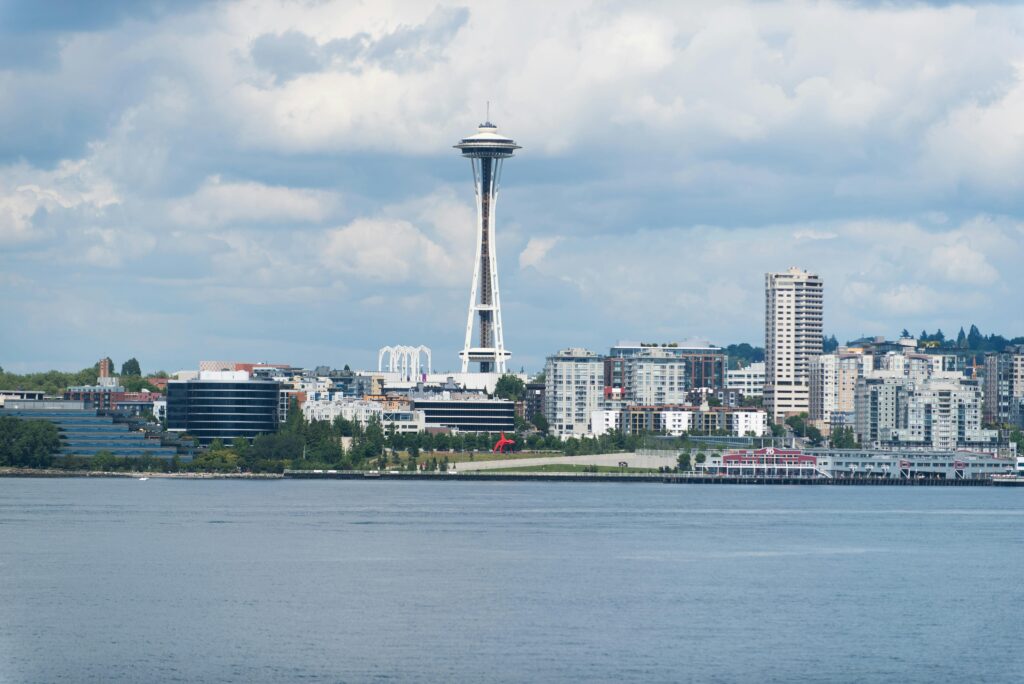
Space Needle and Seattle Center
- Best Time to Visit: Summer or late spring
- Clearer skies during these months provide unobstructed views of Mount Rainier, Puget Sound, and the city skyline. Winter and rainy days can limit visibility and reduce the scenic appeal.
Museums and Indoor Attractions
- Best Time to Visit: Winter months (December–February)
- Museums like the Seattle Art Museum, Museum of Pop Culture, and Chihuly Garden and Glass are perfect for rainy days. Indoor attractions ensure a fulfilling experience even during Seattle’s wet season.
Ferry Rides and Waterfront Exploration
- Best Time to Visit: Summer and early fall
- Ferry rides to Bainbridge Island or West Seattle are more enjoyable on sunny, calm days. Water tours, whale-watching excursions, and harbor cruises are less likely to be canceled due to weather during summer months.
Seasonal Festivals and Events
Seattle’s event calendar can help you decide the best time to visit depending on your interests.
- Seattle International Film Festival (May–June): A major event attracting film enthusiasts from around the world.
- Seafair (July–August): A summer festival featuring hydroplane races, air shows, parades, and cultural celebrations.
- Northwest Folklife Festival (Memorial Day Weekend): Celebrates arts, music, and cultural diversity.
- Winterfest (December–January): Holiday lights, markets, and winter-themed events make the season magical.
- Cherry Blossom Festival (April): Visit University of Washington campus to enjoy blooming cherry trees and cultural celebrations.
Aligning your visit with these events can enrich your Seattle experience, but keep in mind that festival periods can also mean higher hotel rates and larger crowds.
Pros and Cons of Visiting in Each Season
Spring (March–May)
Pros:
- Blooming flowers and vibrant parks
- Mild temperatures for outdoor activities
- Fewer tourists than summer
Cons:
- Occasional rain showers
- Some trails may be muddy
Summer (June–August)
Pros:
- Warm, sunny weather ideal for outdoor adventures
- Long daylight hours
- Festivals, concerts, and open-air events
Cons:
- Higher accommodation costs
- More crowded attractions
Fall (September–November)
Pros:
- Beautiful fall foliage
- Cooler, comfortable temperatures
- Less crowded than summer
Cons:
- Increasing rain and overcast days
- Shorter daylight hours
Winter (December–February)
Pros:
- Ideal for skiing, snowboarding, and cozy indoor attractions
- Fewer tourists, lower hotel prices
Cons:
- Frequent rain and overcast skies
- Outdoor activities are limited
Recommendations for Planning Your Visit
- Prioritize Activities: Choose your visit season based on whether you prefer outdoor adventures, cultural events, or winter sports.
- Book Accommodations Early: Summer and festival seasons see higher demand for hotels and vacation rentals. Early booking ensures availability and better rates.
- Check Weather Forecasts: Seattle’s weather can be unpredictable. Bring layers, rain gear, and appropriate footwear for outdoor excursions.
- Consider Day Trips: Seattle’s location provides access to Mount Rainier, Olympic National Park, and Snoqualmie Falls, which can enhance any trip regardless of the season.
The best time to visit Seattle largely depends on your interests and the type of experience you seek. For outdoor adventures, water activities, and festivals, late spring through early fall (May to September) is ideal due to warm temperatures, sunny skies, and extended daylight. For those seeking indoor cultural experiences, cozy winter activities, or skiing excursions, December to February offers fewer crowds and seasonal charm.
Seattle’s temperate climate, vibrant city life, and proximity to nature make it a year-round destination. Whether exploring Pike Place Market, hiking nearby trails, or enjoying waterfront activities, planning your trip around weather and seasonal events ensures a memorable experience. By considering your preferred activities, crowd tolerance, and climate, you can choose the perfect time to enjoy all that Seattle has to offer.
Leave a Reply