
In today’s digital marketing landscape, businesses are no longer competing solely on a national or global scale—they are increasingly competing locally. Consumers often search for products, services, or experiences “near me” or within a specific neighborhood, making neighborhood-specific keywords a crucial component of local SEO and digital marketing strategies.
Neighborhood-specific keywords are terms that include geographic identifiers such as neighborhoods, districts, or boroughs along with the main service or product offering. For instance, a coffee shop in Seattle’s Capitol Hill neighborhood might target keywords like “best coffee shop Capitol Hill Seattle” or “Capitol Hill cafes near me.” These keywords help businesses connect with audiences actively seeking services in a specific locality, increasing visibility, engagement, and conversions.
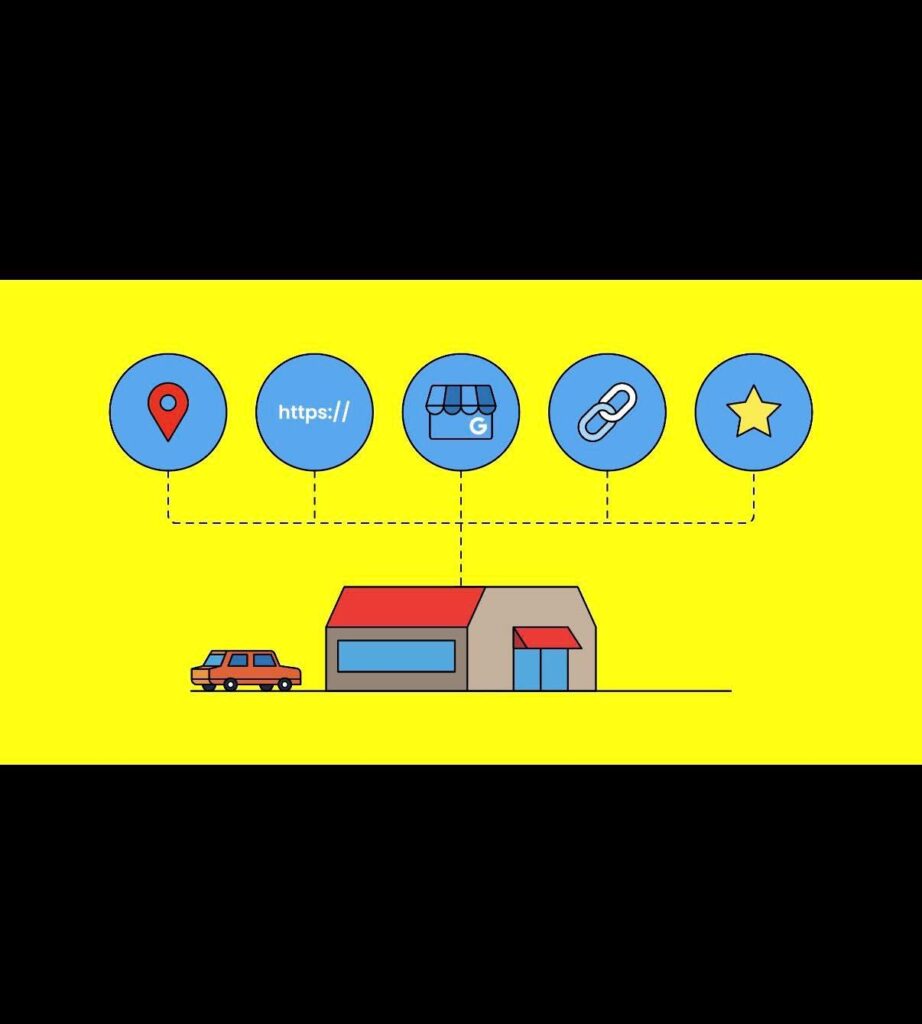
Why Neighborhood-Specific Keywords Matter
1. Improve Local Search Visibility
Search engines like Google prioritize local results when users include neighborhood names or location-specific phrases in their queries. Incorporating neighborhood-specific keywords in your website content, meta tags, and business listings increases the likelihood of appearing in:
- Google Maps and Local Pack results
- “Near me” search queries
- Organic search results targeting local users
By targeting hyper-local phrases, businesses can stand out in crowded urban markets, where competition can be fierce at the city-wide level.
2. Attract Highly Relevant Traffic
Neighborhood-specific keywords attract users who are geographically closer to your business, making them more likely to convert. For example:
- Someone searching for “Italian restaurants Ballard Seattle” is probably ready to visit the restaurant or place an order.
- A search like “plumber in Capitol Hill Seattle” indicates a user needing immediate services nearby.
This intent-driven targeting increases the quality of leads, resulting in higher engagement and conversion rates.
3. Cost-Effective Marketing
Compared to broad city-wide keywords, neighborhood-specific keywords often have lower competition and lower PPC (pay-per-click) costs. Targeting neighborhoods allows businesses to reach specific micro-markets without spending excessively on advertising campaigns targeting entire cities or regions.
How to Identify Neighborhood-Specific Keywords
1. Research Local Neighborhoods
Begin by understanding the geography and demographics of the areas your business serves. Consider:
- Popular neighborhoods within your city (e.g., Capitol Hill, Ballard, Queen Anne in Seattle)
- Residential vs. commercial zones
- Nearby landmarks or transportation hubs
2. Use Keyword Research Tools
Tools like Google Keyword Planner, Ahrefs, SEMrush, or Ubersuggest can help identify:
- Search volume for neighborhood-specific queries
- Related search terms (e.g., “coffee near Ballard Park”)
- Competition level and CPC for paid campaigns
3. Analyze Competitor Strategies
Examine how competitors target neighborhoods:
- Check meta titles, descriptions, and header tags for geographic terms.
- Review Google My Business listings and localized content.
- Identify gaps in coverage or underserved areas you could target.
4. Incorporate Long-Tail Keywords
Neighborhood-specific keywords often take the form of long-tail keywords, which are longer, more descriptive search phrases. Examples include:
- “Family-friendly parks Green Lake Seattle”
- “Vegan bakery Capitol Hill Seattle”
- “Pet grooming near Queen Anne Seattle”
Long-tail keywords capture user intent more precisely and typically face less competition, making them ideal for local targeting.
Strategies for Using Neighborhood-Specific Keywords
1. Website Optimization
Integrate neighborhood-specific keywords naturally across your website:
- Meta Titles & Descriptions: Include the neighborhood and service. Example: “Best Italian Restaurant Ballard Seattle | Authentic Cuisine”
- Header Tags (H1, H2, H3): Organize content with local focus.
- Body Content & Blog Posts: Write neighborhood guides, local news, or service pages tailored to specific areas.
2. Google My Business (GMB) Optimization
A fully optimized GMB profile increases visibility in local search results:
- Include neighborhood names in the business title (if relevant) and service description.
- Add photos of your location or neighborhood landmarks.
- Encourage reviews mentioning the neighborhood, which strengthens local relevance.
3. Localized Landing Pages
Create dedicated pages for each neighborhood you serve, highlighting:
- Services or products specific to that area.
- Local testimonials or case studies.
- Directions, maps, and nearby landmarks.
This strategy helps search engines associate your business with multiple neighborhoods, increasing the likelihood of appearing in local searches.
4. Content Marketing and Blogging
Neighborhood-specific blog content engages local audiences and establishes authority:
- “Top 5 Coffee Shops in Ballard Seattle”
- “Family-Friendly Activities in Capitol Hill Seattle”
- “Guide to Pet-Friendly Parks in Queen Anne Seattle”
Such content naturally incorporates local keywords, improving SEO and attracting organic traffic from neighborhood-specific searches.
5. Social Media and Local Influencers
Leverage social media to target neighborhood audiences:
- Tag posts with location hashtags (#BallardSeattle, #CapitolHill)
- Collaborate with local influencers or businesses to reach micro-communities
- Share updates about neighborhood events, promotions, or landmarks
Social media signals combined with keywords can enhance local search relevance.
Measuring Success of Neighborhood-Specific Keywords
Tracking the performance of neighborhood-specific keywords is essential for optimizing SEO and marketing campaigns. Key metrics include:
- Organic Traffic: Measure visits from users searching with neighborhood terms.
- Local Ranking: Monitor your position in Google Maps and organic search results for targeted areas.
- Conversion Rates: Track leads, inquiries, or sales generated from neighborhood-focused traffic.
- Engagement Metrics: Time on site, pages per visit, and social shares indicate content relevance.
Tools like Google Analytics, Google Search Console, and Moz Local can help track and refine your keyword strategy.
Common Challenges and Solutions
1. Keyword Cannibalization
Using the same keyword across multiple pages may confuse search engines.
Solution: Create unique content for each neighborhood with distinct value propositions.
2. Overstuffing Keywords
Excessive repetition can harm SEO.
Solution: Use neighborhood keywords naturally in headings, content, and metadata.
3. Maintaining Relevance
Neighborhood dynamics change, and search trends evolve.
Solution: Regularly update content, GMB profiles, and blog posts to reflect current local trends, events, and customer interests.
4. Competing with Large Businesses
Chain stores may dominate general city-level keywords.
Solution: Focus on hyper-local targeting with long-tail neighborhood keywords to compete effectively.
Best Practices for Neighborhood-Specific Keyword Strategy
- Use Multiple Neighborhoods: Target all areas your business serves with dedicated pages or blog posts.
- Combine Keywords: Pair neighborhoods with services, amenities, or unique selling points (e.g., “organic grocery Capitol Hill Seattle”).
- Leverage Reviews: Encourage customers to include neighborhood mentions in online reviews.
- Incorporate Maps and Directions: Enhance relevance for local searches with embedded maps.
- Track and Adjust: Continuously monitor search trends and adjust keywords to reflect changing neighborhood dynamics.
Neighborhood-specific keywords are a powerful tool for local businesses, real estate agencies, restaurants, service providers, and more. By targeting hyper-local searches, businesses can improve local SEO, attract high-intent traffic, and increase conversions.
Key strategies include website optimization, GMB profile enhancement, localized landing pages, and content marketing, all tailored to specific neighborhoods. Combined with social media promotion and continuous tracking, neighborhood-specific keyword strategies allow businesses to connect with local audiences effectively and gain a competitive edge in their markets.
Whether your goal is to drive foot traffic, improve online visibility, or dominate neighborhood-specific searches, strategically using neighborhood-specific keywords ensures your business reaches the right audience at the right time. For businesses in Seattle, targeting areas like Capitol Hill, Ballard, Queen Anne, and Fremont can generate significant results and establish strong local authority.
Leave a Reply