
The cultural landscape of Seattle is one of the most vibrant in the United States, blending world-class museums, iconic landmarks, interactive science centers, and lively public spaces. Together, these attractions form a “museum city” experience where art, history, science, and popular culture are woven into the urban fabric.
Seattle is not a city where culture is confined to buildings—it is a place where museums extend into streets, markets, gardens, and skyline views. This guide explores the top museum-based attractions and cultural landmarks that define Seattle’s identity.
Seattle Art Museum: The Cultural Heart of the City
At the core of Seattle’s cultural attractions is the Seattle Art Museum, located in downtown Seattle. It is the city’s premier fine arts institution and a major gateway to global artistic traditions.
What Makes It a Must-Visit Attraction:
- Extensive Indigenous art from the Pacific Northwest
- African, Asian, and European classical collections
- Contemporary installations by global artists
- Rotating exhibitions that bring international art to Seattle
SAM is more than a museum—it is a cultural anchor that connects Seattle to global artistic movements while preserving regional heritage.
Its downtown location also makes it an ideal starting point for exploring nearby city attractions on foot.
Pike Place Market: Living Museum of Seattle Life
A short walk from SAM brings visitors to the iconic Pike Place Market, one of the oldest continuously operating public markets in the United States.
Although not a traditional museum, Pike Place Market functions as a living cultural attraction where history and daily life intersect.
Key Experiences:
- Fresh seafood markets and the famous fish-throwing tradition
- Artisan crafts and handmade artwork
- Historic architecture dating back over a century
- Street musicians and live performers
Pike Place Market represents Seattle’s working history, immigrant influence, and creative street culture. It is one of the most authentic city attractions for understanding Seattle’s identity.
Seattle Center: The Cultural Landmark District
Seattle Center is the city’s most concentrated cultural hub, home to several major museum attractions and landmarks within walking distance of each other.
Museum of Pop Culture (MoPOP)
The Museum of Pop Culture is one of Seattle’s most distinctive attractions, blending architecture, music, film, and interactive media.
Highlights:
- Exhibits on Seattle’s grunge music history
- Science fiction and fantasy storytelling installations
- Video game and digital media exhibits
- Hands-on sound labs and creative studios
MoPOP transforms pop culture into an immersive museum experience, making it a must-see attraction for visitors of all ages.
Chihuly Garden and Glass
Adjacent to MoPOP is the visually stunning Chihuly Garden and Glass.
This attraction showcases the glass art of Dale Chihuly through immersive installations.
Key Features:
- The Glasshouse with a monumental suspended sculpture
- Vibrant indoor galleries with dramatic lighting
- Outdoor garden blending glass with natural landscapes
Chihuly Garden and Glass is one of Seattle’s most photogenic attractions, combining fine art with architectural design.
Pacific Science Center
Another major Seattle Center attraction is the Pacific Science Center.
Originally built for the 1962 World’s Fair, it remains a top destination for interactive learning.
Attractions Inside:
- Planetarium shows exploring space
- IMAX theater screenings
- Hands-on science exhibits
- Butterfly house and biological displays
The Pacific Science Center is ideal for families and curious travelers seeking interactive educational experiences.
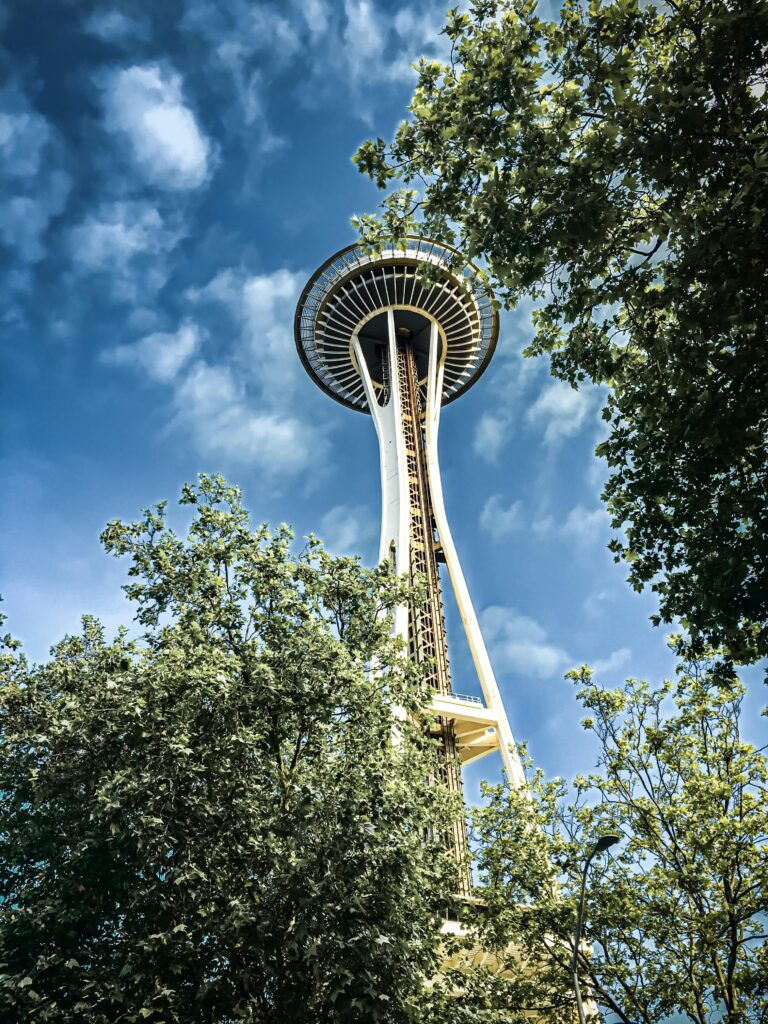
Space Needle: Seattle’s Iconic Landmark
The famous Space Needle is one of the most recognizable city attractions in the world.
Why It’s Important:
- Built for the 1962 World’s Fair
- Symbol of modern architecture and innovation
- Observation deck with panoramic city views
From the top, visitors can see Mount Rainier, Puget Sound, and the Seattle skyline, making it both a landmark and a cultural symbol.
Wing Luke Museum: Cultural Diversity and Immigration Stories
In the Chinatown-International District, the Wing Luke Museum offers one of Seattle’s most meaningful cultural attractions.
Key Highlights:
- Immersive historic apartment exhibits
- Oral histories from immigrant communities
- Exhibits on civil rights and cultural identity
- Community-curated storytelling installations
The Wing Luke Museum focuses on lived experiences, making it a deeply personal and educational attraction that reflects Seattle’s multicultural identity.
Burke Museum: Natural and Cultural Heritage Attraction
At the University of Washington, the Burke Museum of Natural History and Culture combines science and cultural history.
What Visitors Can See:
- Dinosaur fossils and prehistoric life
- Indigenous cultural artifacts
- Visible research and conservation labs
- Geological and biological exhibits
The Burke Museum is unique because it connects natural history with human culture, offering a dual perspective on the region’s past.
Frye Art Museum: A Quiet Cultural Escape
The Frye Art Museum is one of Seattle’s most peaceful cultural attractions.
Key Features:
- Free admission
- European classical paintings
- Contemporary rotating exhibitions
- Calm and reflective gallery spaces
It provides a slower, more contemplative museum experience compared to Seattle’s larger attractions.
Public Art and Urban Cultural Spaces
Seattle’s museum city identity extends beyond traditional institutions into public spaces.
Pike Place Market as Cultural Theater
Beyond commerce, Pike Place Market acts as a live cultural attraction with:
- Street performers
- Artisan displays
- Historic storytelling through architecture
Space Needle as Cultural Symbol
The Space Needle is more than a viewpoint—it represents Seattle’s innovation and global identity.
Together, these landmarks function as open-air museums integrated into everyday city life.
Museum Clusters and Walkable Attractions
One of Seattle’s biggest advantages is the clustering of attractions, especially in Seattle Center and downtown.
Seattle Center Cluster:
- MoPOP
- Chihuly Garden and Glass
- Pacific Science Center
- Space Needle
Downtown Cluster:
- Seattle Art Museum
- Pike Place Market
- Waterfront attractions
These clusters allow visitors to experience multiple attractions in a single walking route, making Seattle a highly efficient museum city.
Technology and Modern Culture in Seattle Attractions
Seattle’s strong technology industry influences its cultural attractions.
Many museums include:
- Interactive digital exhibits
- Virtual reality installations
- Gaming and multimedia storytelling
- Sound engineering and digital art spaces
MoPOP and PacSci are especially strong in blending technology with cultural education.
Educational and Family-Friendly Attractions
Seattle’s museum city attractions are designed for all age groups.
Families can enjoy:
- Hands-on science at PacSci
- Interactive storytelling at MoPOP
- Educational exhibits at Burke Museum
- Artistic exploration at SAM and Chihuly Garden
This makes Seattle an ideal destination for both learning and entertainment.
Seattle stands out as a global example of a “museum city,” where cultural attractions are deeply integrated into urban life. From the fine art collections of the Seattle Art Museum to the immersive creativity of MoPOP, from the scientific exploration at the Pacific Science Center to the community storytelling at the Wing Luke Museum, every attraction contributes to a broader cultural ecosystem.
Even iconic landmarks like Pike Place Market and the Space Needle function as living cultural experiences, blending history, commerce, and identity.
In Seattle, museums are not isolated destinations—they are part of a continuous cultural landscape. Exploring the city means moving through a network of art, history, science, and creativity that defines Seattle as one of the most dynamic cultural cities in the world.
Leave a Reply