
Seattle museum history tours are designed to guide visitors through different phases of the city’s development. These tours are often self-guided or organized by local historians, travel companies, or educational groups. The idea is to connect multiple museums and heritage sites to form a continuous historical timeline.
Typically, these tours focus on several key themes:
- Indigenous history of the Pacific Northwest
- Early European settlement and the logging industry
- Maritime trade and port development
- The Great Seattle Fire and urban rebuilding
- Aviation and technological innovation
- Immigration and cultural diversity
- Modern tech-driven transformation
By moving between museums and neighborhoods, visitors experience how Seattle evolved from a small coastal settlement into a global innovation hub.
Starting Point: Indigenous and Early Seattle History
Most museum history tours begin by acknowledging the original inhabitants of the region, particularly the Coast Salish peoples. Many museums in Seattle dedicate space to this history, emphasizing that the city’s story did not begin with European settlement.
Artifacts, oral histories, and reconstructed cultural objects help visitors understand the deep connection between Indigenous communities and the land and waterways of the Puget Sound region. This foundational knowledge sets the tone for the rest of the tour, highlighting continuity rather than disruption.
The Wing Luke Museum of the Asian Pacific American Experience plays a significant role in expanding this narrative by also showcasing immigrant histories and cross-cultural experiences, offering a broader view of identity and belonging in Seattle.
Maritime Heritage and Early Expansion
Seattle’s identity has always been closely tied to water. Museum tours often emphasize the city’s development as a port town, where shipping, fishing, and timber exports fueled early economic growth.
At the Museum of History & Industry (MOHAI), visitors can explore detailed exhibits on Seattle’s maritime economy, including shipbuilding, harbor development, and trade routes that connected the city to Alaska, Asia, and California.
Interactive displays often recreate early Seattle streets and docks, helping visitors visualize how the waterfront shaped daily life. This phase of the tour highlights how geography influenced Seattle’s rise as a commercial center.
The Great Fire and Urban Transformation
A major turning point in Seattle’s history is the Great Seattle Fire of 1889, which destroyed much of the city’s central district. Museum history tours often dedicate a section to this event, showcasing how devastation led to transformation.
After the fire, Seattle rebuilt with stronger materials, raised street levels, and redesigned urban infrastructure. This period marks the beginning of Seattle’s modern architectural identity.
Museums present photographs, maps, and reconstructed models that illustrate how the city literally rose from its ashes. This story is often one of the most visually compelling parts of any history tour.
Industrial Growth and the Aviation Era
Seattle’s next major transformation came with industrial expansion, particularly in aviation. The rise of Boeing played a central role in shaping the city’s 20th-century identity.
MOHAI and other history-focused exhibits highlight how Seattle became a leader in aircraft manufacturing, especially during World War II and the post-war economic boom. This period also introduced large-scale job creation and migration, reshaping the city’s demographics.
Visitors learn how aviation innovation influenced everything from local infrastructure to global trade routes, reinforcing Seattle’s reputation as a center of engineering excellence.
Immigration and Cultural Diversity
One of the most important aspects of Seattle museum history tours is the focus on immigration and cultural diversity. Seattle has long been a destination for Asian, European, African American, and Latino communities seeking opportunity and refuge.
The Wing Luke Museum of the Asian Pacific American Experience is particularly important in this regard. It presents powerful narratives about Japanese American incarceration during World War II, Chinese railroad workers, Filipino labor communities, and broader Asian Pacific American experiences.
Walking through exhibits such as historic hotel recreations and community storytelling installations allows visitors to understand how immigrant communities shaped Seattle’s neighborhoods, businesses, and cultural identity.
Arts, Culture, and Historical Interpretation
While not strictly a history museum, the Seattle Art Museum also plays a role in history tours by preserving cultural artifacts from different civilizations and time periods. Art often serves as a historical record, providing insight into societies that influenced global and regional history.
Similarly, the Seattle Asian Art Museum in Volunteer Park contributes to historical understanding by showcasing ancient and classical Asian artworks, helping visitors connect Seattle’s present-day diversity to centuries-old traditions.
These institutions remind visitors that history is not limited to documents and timelines—it is also preserved in artistic expression.
Technology and Modern Seattle Identity
Modern Seattle is defined by its technological revolution, led by companies in software, e-commerce, and digital innovation. Museum history tours often conclude with exhibits on this transformation, showing how Seattle evolved into a global tech capital.
Interactive installations in museums like MOHAI demonstrate how startups and major corporations reshaped the economy, housing market, and urban culture. This section of the tour often connects historical industrial growth with today’s digital economy.
Visitors gain perspective on how past innovations in aviation and trade laid the foundation for Seattle’s modern tech ecosystem.
Combining Museum Tours with City Landmarks
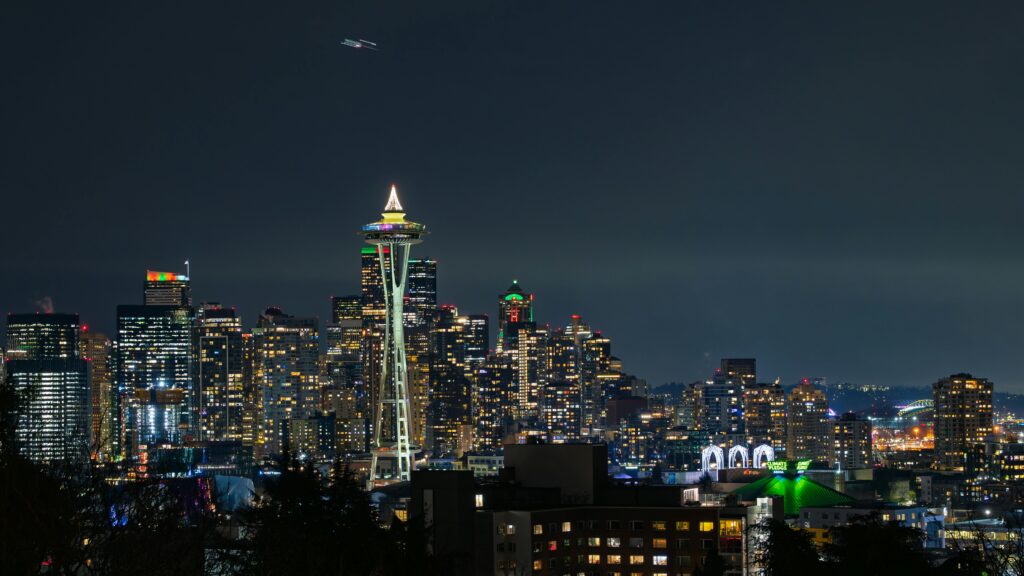
Seattle museum history tours are often paired with visits to nearby landmarks such as the Space Needle, Pike Place Market, and the waterfront area. These locations provide real-world context for the historical narratives presented in museums.
For example, the waterfront illustrates Seattle’s maritime past, while downtown architecture reflects post-fire reconstruction and modern development. The combination of indoor museum exhibits and outdoor exploration creates a complete historical experience.
Planning a Seattle Museum History Tour
To fully enjoy a Seattle museum history tour, visitors are encouraged to plan by region:
- South Lake Union: MOHAI and tech history
- Chinatown-International District: Wing Luke Museum and immigration stories
- Volunteer Park: Seattle Asian Art Museum
- Downtown Seattle: Seattle Art Museum and early city development
Most tours can be completed in two to three days depending on depth of exploration. Public transportation and walkable neighborhoods make it easy to connect multiple sites.
Seattle museum history tours provide more than just sightseeing—they offer a layered narrative of resilience, innovation, and cultural diversity. From Indigenous heritage and maritime beginnings to aviation breakthroughs and modern technology, each museum contributes a vital chapter to the city’s story.
Institutions like MOHAI and the Wing Luke Museum serve as anchors for understanding how Seattle grew into a global city while preserving its multicultural roots. When combined with iconic landmarks and art museums, these tours create a powerful educational experience.
Ultimately, exploring Seattle through its museums allows visitors to see the city not just as a destination, but as a living historical archive shaped by generations of people, ideas, and transformation.
Leave a Reply