
Seattle’s museum culture is strongly shaped by its focus on innovation, science, technology, and creativity. Many institutions are designed not just for passive viewing but for active participation. This makes them ideal for families with children of all ages. Whether it’s toddlers exploring pretend play environments or older kids experimenting with science exhibits, Seattle’s museums encourage learning through doing.
The city’s most well-known family-friendly museums are concentrated around Seattle Center, downtown, and nearby neighborhoods, making them easy to include in a family itinerary.
Seattle Children’s Museum – A World of Imaginative Play
One of the most popular destinations for younger children is the Seattle Children’s Museum. Located in the Seattle Center Armory building, this museum is specifically designed for children aged roughly 6 months to 10 years.
The museum focuses on imaginative, hands-on play rather than traditional exhibits. Kids can explore themed environments such as grocery stores, veterinary clinics, and cultural storytelling spaces. Interactive exhibits like airflow tunnels, climbing structures, and water-based activities encourage sensory learning and physical engagement. According to local guides, it offers about 18,000 square feet of play space tailored for early childhood development and creativity.
What makes this museum especially family-friendly is its flexibility—toddlers, preschoolers, and early elementary-age children can all find age-appropriate zones. Parents can participate or observe while children safely explore in a controlled, educational environment.
Pacific Science Center – Learning Through Discovery
Another cornerstone of family education in Seattle is the Pacific Science Center. Located near the iconic Space Needle, this museum is a must-visit for families interested in science and discovery.
The Pacific Science Center is known for its hands-on exhibits covering topics like physics, biology, space exploration, and technology. Children can engage with interactive displays, watch live science demonstrations, and explore themed exhibits such as dinosaurs and robotics.
One of the most popular features is the planetarium and IMAX theaters, which provide immersive educational entertainment. Families often spend several hours here because the exhibits are designed to be explored at different learning levels, making it enjoyable for both younger children and teens.
Museum of Pop Culture (MOPOP) – Creativity Meets Entertainment
For families with older kids and teenagers, the Museum of Pop Culture (MOPOP) offers a completely different kind of experience.
This museum focuses on music, film, gaming, and pop culture history. Exhibits include everything from rock legends like Jimi Hendrix to sci-fi movie memorabilia and fantasy storytelling worlds. Kids can also interact with musical instruments in the Sound Lab, where they can try guitars, drums, and digital production tools.
MOPOP is especially engaging for pre-teens and teens because it connects modern entertainment with creative expression. It encourages visitors to explore how movies, music, and games are made, often inspiring artistic curiosity.
Burke Museum – Natural History and Science Exploration
Families interested in nature, fossils, and science often visit the Burke Museum of Natural History and Culture, located at the University of Washington campus.
This museum is one of the oldest in Washington State and features collections of dinosaurs, fossils, Native American artifacts, and Pacific Northwest natural history. What makes it especially engaging for families is the open research concept—visitors can sometimes see scientists actively working on specimens.
Children enjoy interactive learning stations, scavenger hunts, and hands-on exhibits that explain geology, biology, and anthropology in simple, engaging ways.
Seattle Aquarium – Marine Life Learning
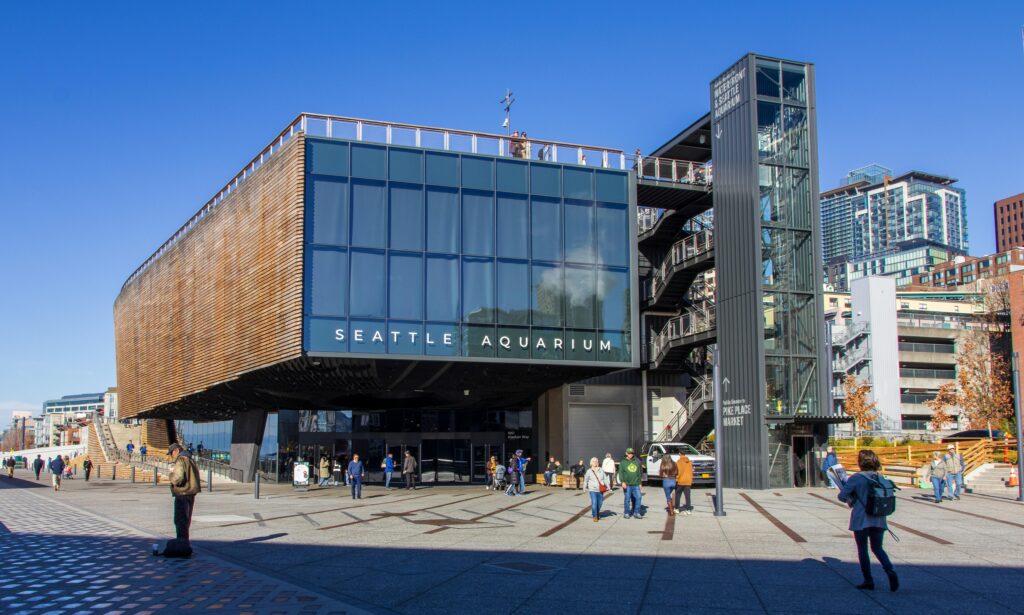
While technically an aquarium, the Seattle Aquarium functions as a major educational attraction for families. It introduces children to marine ecosystems of the Pacific Northwest, including sea otters, seals, salmon, and tide pool creatures.
Kids can touch sea stars and other tide pool animals, watch underwater feeding sessions, and learn about ocean conservation. The aquarium’s waterfront location also allows families to combine their visit with walks along Seattle’s scenic piers.
Museum of Flight – Aviation Adventures
For families fascinated by airplanes and space, the The Museum of Flight is one of the largest aviation museums in the world.
It features hundreds of aircraft, including historic planes, space shuttles, and military jets. Kids can walk through real airplanes, explore cockpit simulators, and learn about the history of aviation. This museum is especially popular with school-age children and teens due to its scale and interactive displays.
KidsQuest Children’s Museum – Eastside Favorite
Just outside Seattle in Bellevue is the KidsQuest Children’s Museum, a highly interactive children’s museum focused on STEAM learning (Science, Technology, Engineering, Art, Math).
It features water play structures, climbing zones, engineering labs, and art studios. Families often visit for its highly engaging, modern exhibits designed to encourage problem-solving and creativity.
Why Seattle Museums Are Perfect for Families
Seattle’s family museums stand out because they emphasize:
- Hands-on learning rather than passive observation
- Age-diverse engagement so toddlers and teens can both enjoy
- Indoor accessibility, perfect for rainy weather
- STEAM education, blending science and creativity
- Cultural inclusion, showcasing diverse histories and perspectives
Many museums also offer discounted admission days, memberships, and special family programs, making them accessible for regular visits.
Family museums in Seattle are more than just attractions—they are immersive learning environments that encourage curiosity, creativity, and bonding. Whether you are exploring marine life at the aquarium, experimenting with science at the Pacific Science Center, or letting kids role-play in the Children’s Museum, each experience is designed to be interactive and memorable.
Leave a Reply