
Seattle’s global reputation as a music city was cemented in the late 1980s and early 1990s with the rise of grunge. Bands like Nirvana, Pearl Jam, Soundgarden, and Alice in Chains transformed the city into a cultural landmark. While that era defined Seattle on the world stage, the live music scene has since expanded far beyond grunge into indie rock, hip-hop, jazz fusion, electronic, and experimental genres.
Today, live music events in Seattle reflect this evolution. Instead of a single dominant genre, the city supports a wide spectrum of performances happening every night across multiple venues and neighborhoods.
Iconic Music Venues in Downtown Seattle
Downtown Seattle is home to some of the city’s most historic and influential live music venues. These spaces often host major touring artists, legacy performances, and large-scale events.
One of the most iconic venues is The Paramount Theatre. Originally opened in 1928, it is a beautifully preserved historic theater that hosts a wide range of live performances including concerts, Broadway shows, and comedy events. The Paramount is known for its elegant architecture and acoustics, making it a preferred stop for major national and international tours.
Another essential venue is The Showbox, located near Pike Place Market. The Showbox has played a crucial role in Seattle’s music history, hosting everything from early grunge performances to modern indie and alternative acts. It is widely regarded as one of the city’s most important mid-sized concert venues, offering an intimate yet energetic atmosphere.
These downtown venues are key to Seattle’s live music identity because they bridge historical significance with ongoing cultural relevance. Many artists see performing in Seattle as a milestone due to the city’s musical heritage.
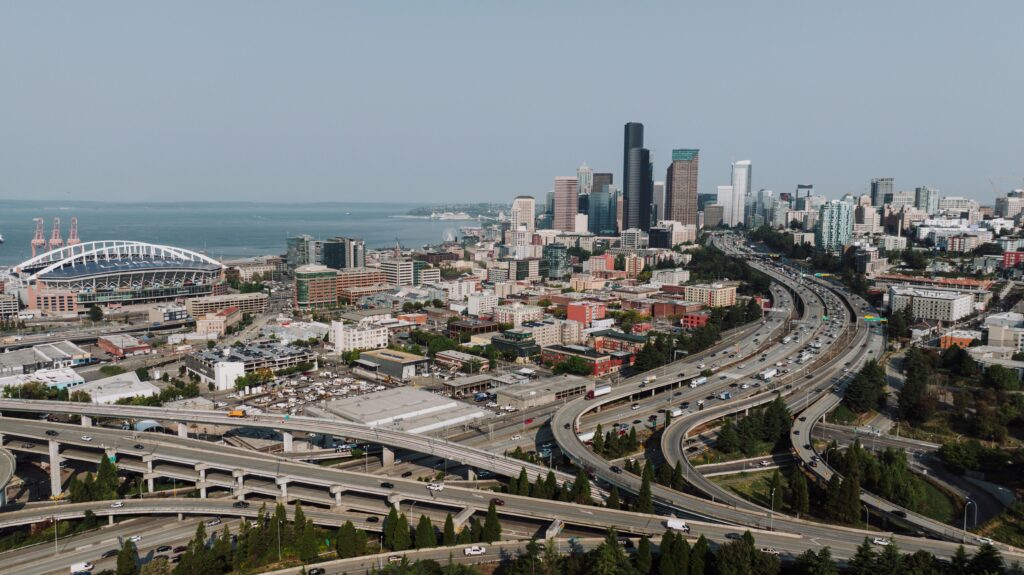
Capitol Hill: The Heart of Contemporary Live Music
Capitol Hill is arguably the most active neighborhood for live music in Seattle today. It is known for its nightlife, creative culture, and dense cluster of performance spaces ranging from small bars to mid-sized concert halls.
A central venue in this area is Neumos. Neumos is a cornerstone of Seattle’s indie and alternative music scene, hosting both emerging artists and established touring acts. The venue is known for its high-energy atmosphere, excellent sound system, and eclectic programming that spans rock, electronic, hip-hop, and experimental genres.
Capitol Hill also features smaller venues like The Crocodile (a historic Seattle club that has hosted many influential bands) and a variety of intimate bars where live performances happen almost nightly. These smaller spaces are critical for local artists, offering them a platform to develop audiences before moving to larger stages.
What makes Capitol Hill special is its density of venues within walking distance. On any given night, it is possible to move between multiple live shows, creating a festival-like experience within a single neighborhood.
Outdoor Festivals and Large-Scale Events
Seattle’s live music culture extends beyond indoor venues into large outdoor festivals and seasonal events. These festivals attract international artists and thousands of attendees, transforming parks and public spaces into massive performance areas.
One of the most well-known festivals is Bumbershoot Festival. Traditionally held at Seattle Center, Bumbershoot is one of the longest-running arts and music festivals in the United States. It features a mix of music genres, comedy, visual arts, and cultural programming. The festival reflects Seattle’s interdisciplinary creative identity, combining music with broader artistic expression.
Outdoor concerts in Seattle are especially popular during summer months, when the weather allows for large gatherings. Parks, waterfront areas, and open-air venues become stages for everything from indie bands to electronic DJs.
Jazz, Blues, and Intimate Performance Spaces
Beyond rock and indie music, Seattle has a strong tradition of jazz and blues performances. Many smaller venues across the city focus on intimate, acoustic, or genre-specific shows.
Jazz clubs in Seattle often emphasize close audience interaction and improvisational performances. These spaces highlight the city’s deep appreciation for musical craftsmanship and technical skill.
Blues and soul performances are also common in neighborhood bars and lounges, particularly in areas like Pioneer Square and Belltown. These venues offer a more relaxed live music experience compared to high-energy concert halls, focusing instead on atmosphere and storytelling through music.
Electronic and Experimental Music Scene
Seattle also has a growing electronic and experimental music scene, supported by underground venues and alternative event spaces. These events often take place in converted warehouses, art studios, and pop-up locations.
Capitol Hill plays a major role in this ecosystem, with DJs and electronic artists performing regularly in clubs and late-night venues. The city’s tech-driven population has also influenced the popularity of electronic music, blending digital culture with live performance experiences.
Experimental music events often blur the line between concert, art installation, and performance theater. These events reflect Seattle’s broader culture of innovation and creative risk-taking.
Neighborhood Bars and Local Music Culture
One of the most important aspects of Seattle’s live music ecosystem is its neighborhood bar scene. Many small bars across the city host live music almost every night, providing consistent opportunities for local musicians.
These venues may not be internationally famous, but they are essential to the city’s music culture. They allow emerging artists to perform regularly, build audiences, and experiment with their sound.
Neighborhood live music also creates a strong sense of community. Regular attendees often become familiar with both the musicians and the venues, forming tight-knit cultural circles around music.
The Influence of Weather and Atmosphere
Seattle’s climate plays a subtle but important role in shaping its live music culture. The long rainy seasons encourage indoor performance spaces, making clubs, theaters, and bars central to the city’s entertainment life.
However, during summer, the city transforms. Outdoor festivals, rooftop concerts, and waterfront performances become more common, creating a seasonal rhythm in live music experiences.
This duality—intimate indoor venues during colder months and expansive outdoor events during summer—adds variety to the city’s music calendar.
Seattle’s live music events are not just entertainment—they are a reflection of the city’s identity. From historic venues like The Paramount Theatre and The Showbox to modern hubs like Neumos and large-scale gatherings like Bumbershoot Festival, the city offers a continuous spectrum of musical experiences.
What defines Seattle is not just its musical history, but its ongoing commitment to live performance across all genres and scales. Whether it is a global artist on a major stage, an indie band in a small club, or a DJ performing in an underground space, live music in Seattle remains a core part of how the city expresses itself.
Leave a Reply